Beauty brands have never had more choice when it comes to marketing channels. From TikTok creators driving overnight product sell-outs to large-scale out-of-home (OOH) campaigns dominating city centres, the question many beauty marketers face is not whether to invest in marketing, but where to invest for sustainable, long-term growth.
Influencer marketing and out-of-home advertising both play powerful roles in the modern beauty marketing mix. They achieve different objectives, work at different stages of the funnel, and influence consumers in distinct ways. For brands looking to scale beyond short-term spikes and build genuine brand equity, understanding how these channels compare is essential.
In this guide, we explore OOH vs influencer marketing for beauty brands, looking at strengths, limitations, and how each contributes to real, measurable growth.
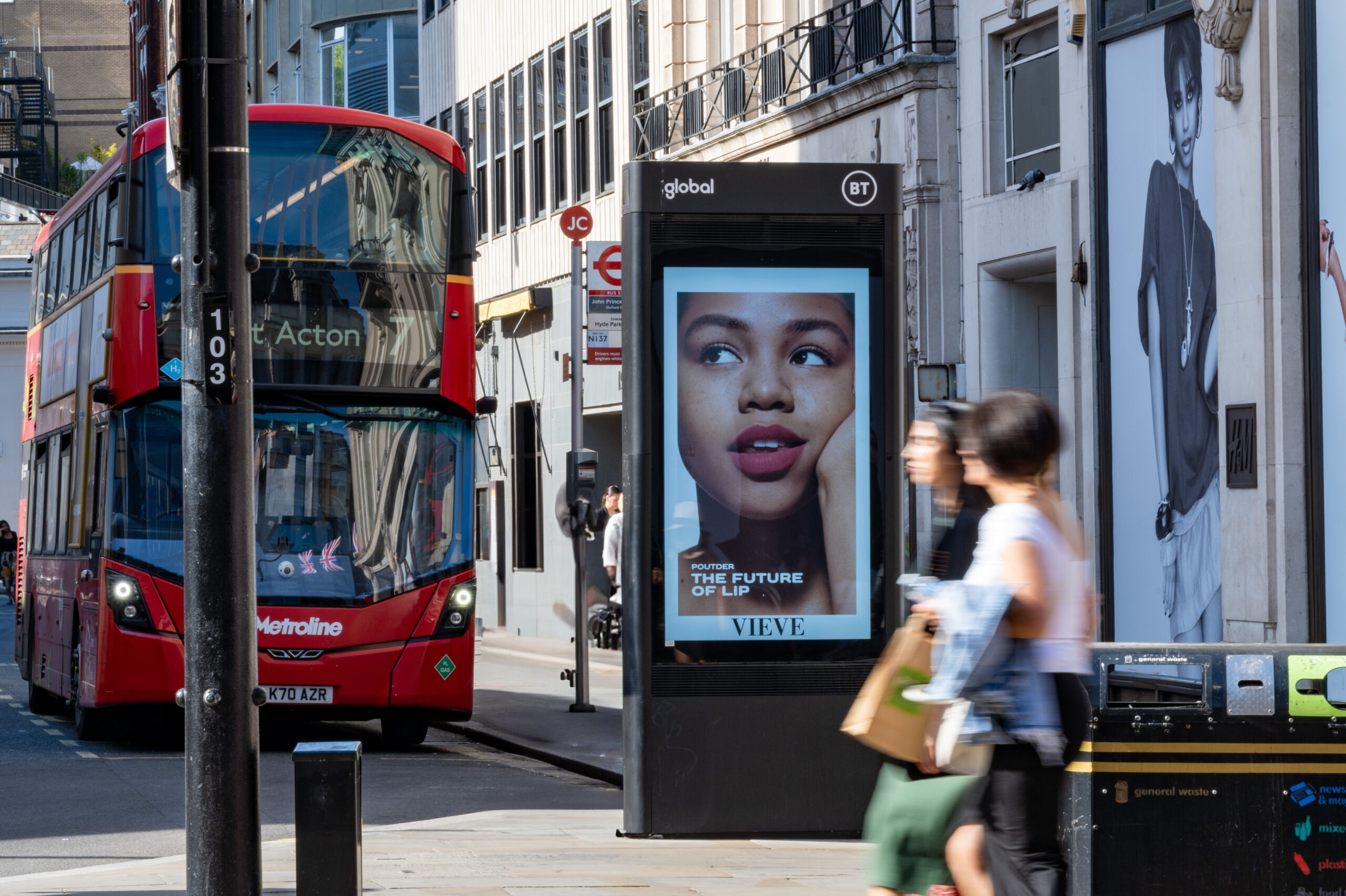
The Rise of Influencer Marketing in the Beauty Industry
Influencer marketing has become deeply embedded in beauty marketing strategies. Platforms like Instagram, TikTok and YouTube have transformed how consumers discover products, learn application techniques and make purchasing decisions.
For beauty brands, influencer marketing offers several clear advantages:
Authenticity and relatability: Consumers often trust creators they follow, particularly when influencers demonstrate real product use.
Speed to market: Influencer campaigns can be launched quickly, reacting to trends, seasons or viral moments.
Strong performance at the bottom of the funnel: Influencer content can drive direct clicks, conversions and promo-code tracked sales.
For challenger and DTC beauty brands in particular, influencer marketing has been a highly effective way to gain early traction, build communities and validate products.
However, as brands scale, cracks often begin to show.
According to recent industry benchmarks for influencer marketing, beauty remains one of the most active and competitive categories, with brands investing heavily to maintain visibility as feeds become increasingly saturated.
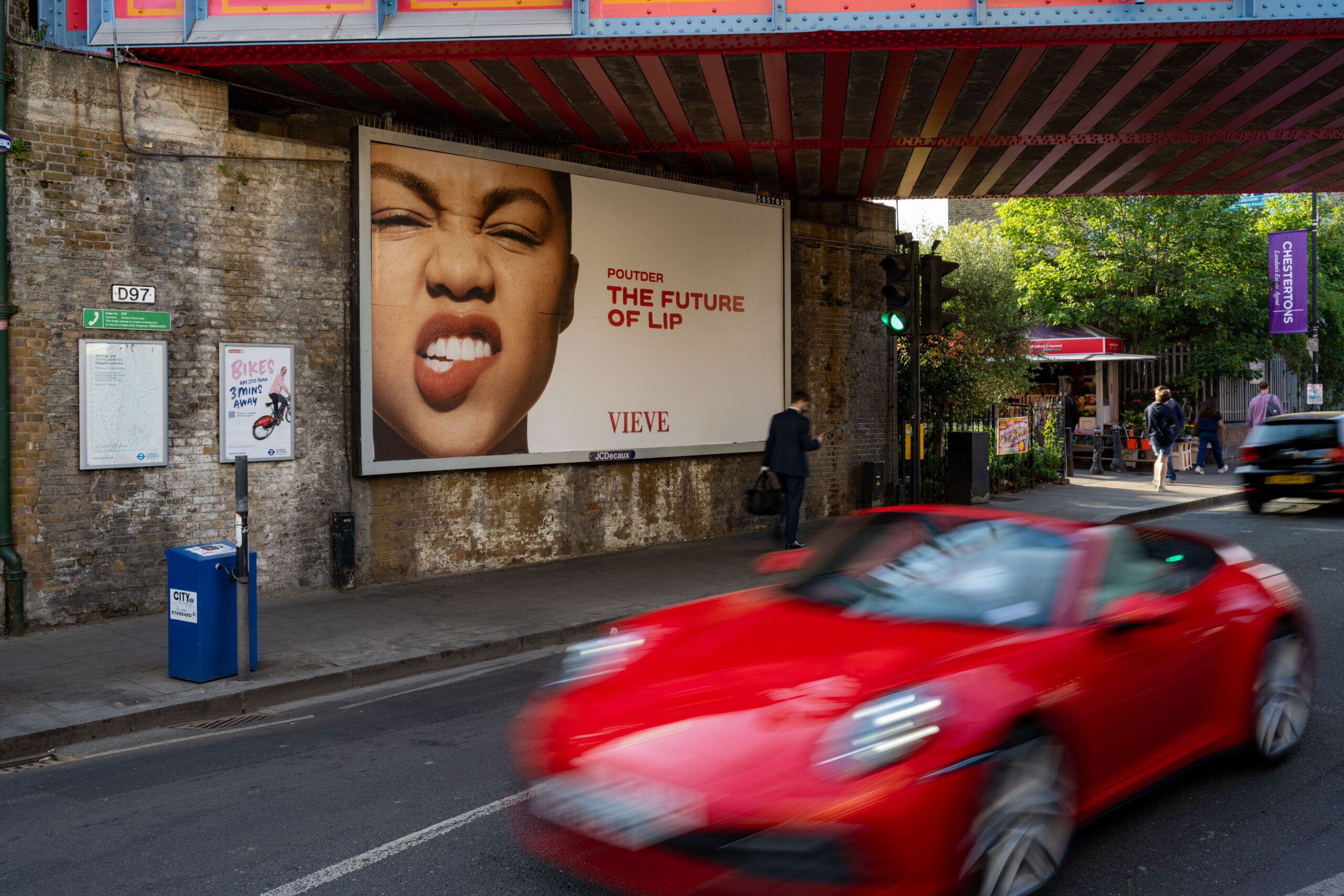
The Limitations of Influencer Marketing for Scaled Beauty Growth
Influencer marketing is not inherently flawed, but it does face structural challenges when relied upon as the primary growth driver.
Saturation and diminishing returns
Beauty feeds are crowded. Consumers are exposed to hundreds of product recommendations every week, often from multiple creators promoting similar formulations, claims and packaging. As a result, engagement rates decline and paid partnerships can struggle to stand out.
Fragmented brand storytelling
Influencer marketing is, by nature, decentralised. Each creator interprets a brand differently. While this can feel authentic, it can also dilute brand positioning, particularly for premium or aspirational beauty brands.
Short-lived impact
Influencer content moves quickly down the feed. Even viral moments tend to deliver sharp spikes rather than sustained awareness. Once spend stops, visibility often drops immediately.
Trust erosion
As #ad disclosures increase and audiences become more media-literate, consumers are increasingly sceptical of paid endorsements. Trust is still present, but it is more conditional than it once was.
This is where out-of-home advertising enters the conversation.
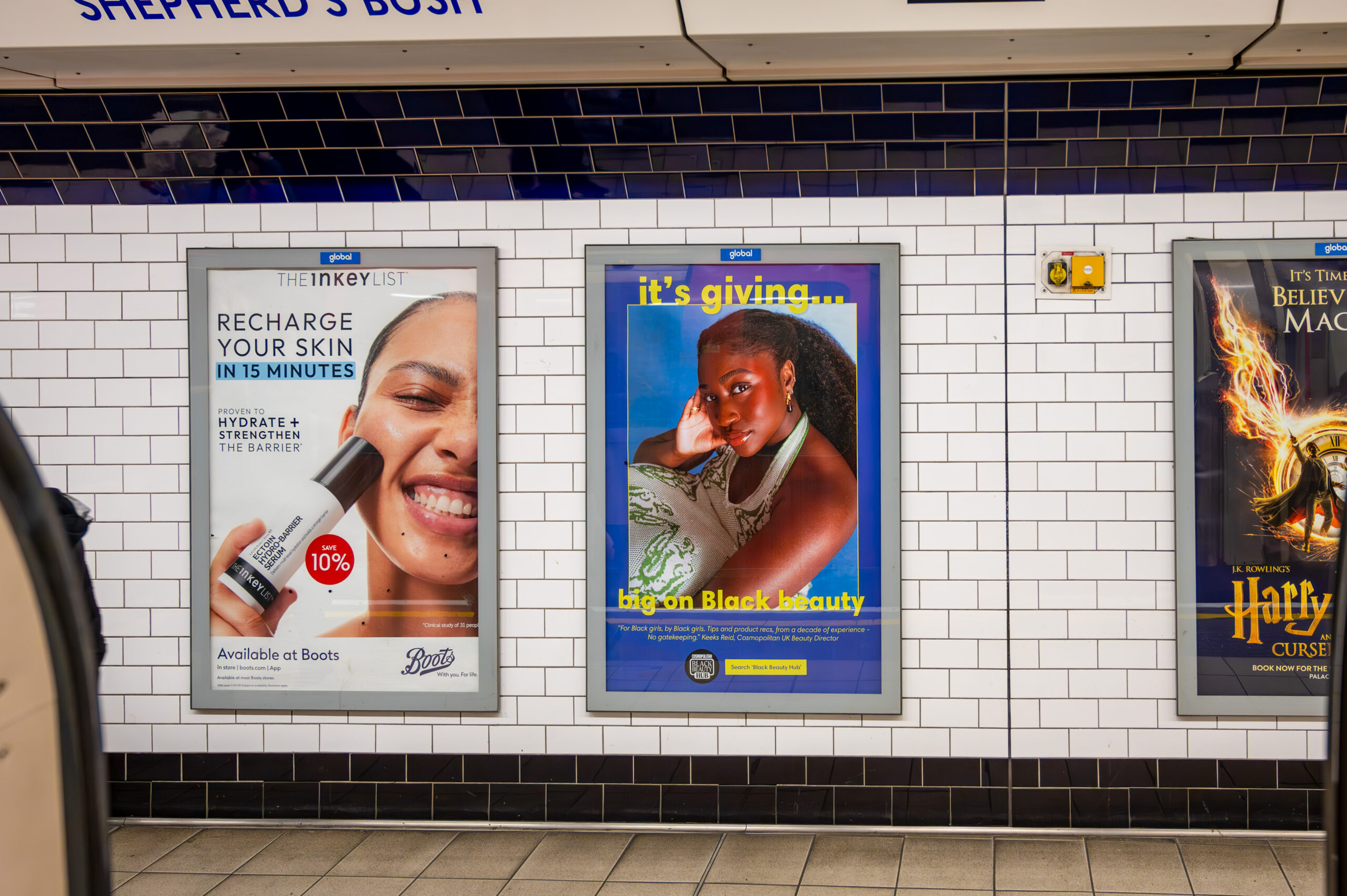
What OOH Advertising Brings to Beauty Brands
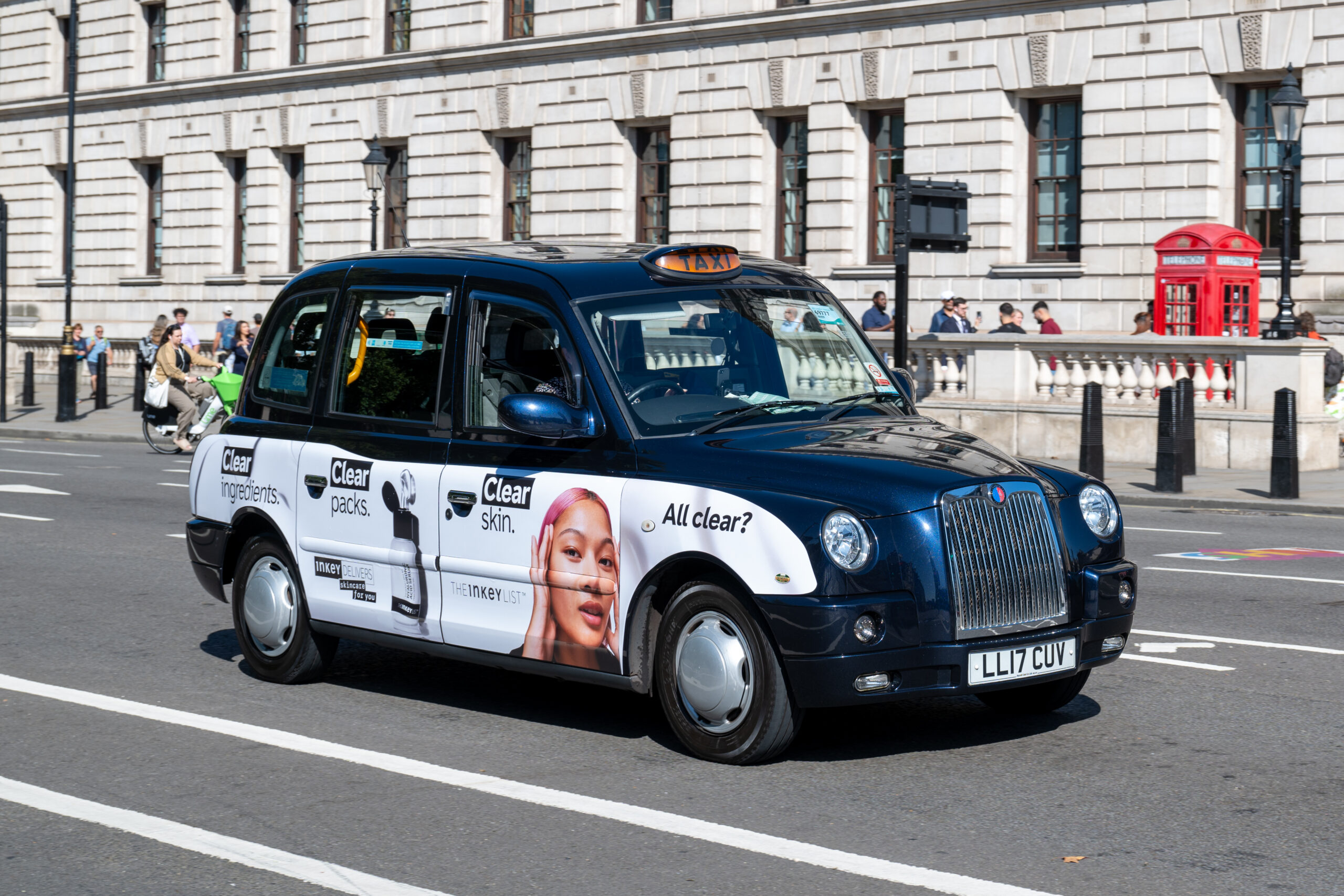
Out-of-home advertising reaches consumers in the physical world, when they are moving through cities, shopping districts, transport hubs and retail environments. For beauty brands, this context is particularly powerful.
OOH advertising offers benefits that influencer marketing simply cannot replicate.
Unmissable scale and visibility
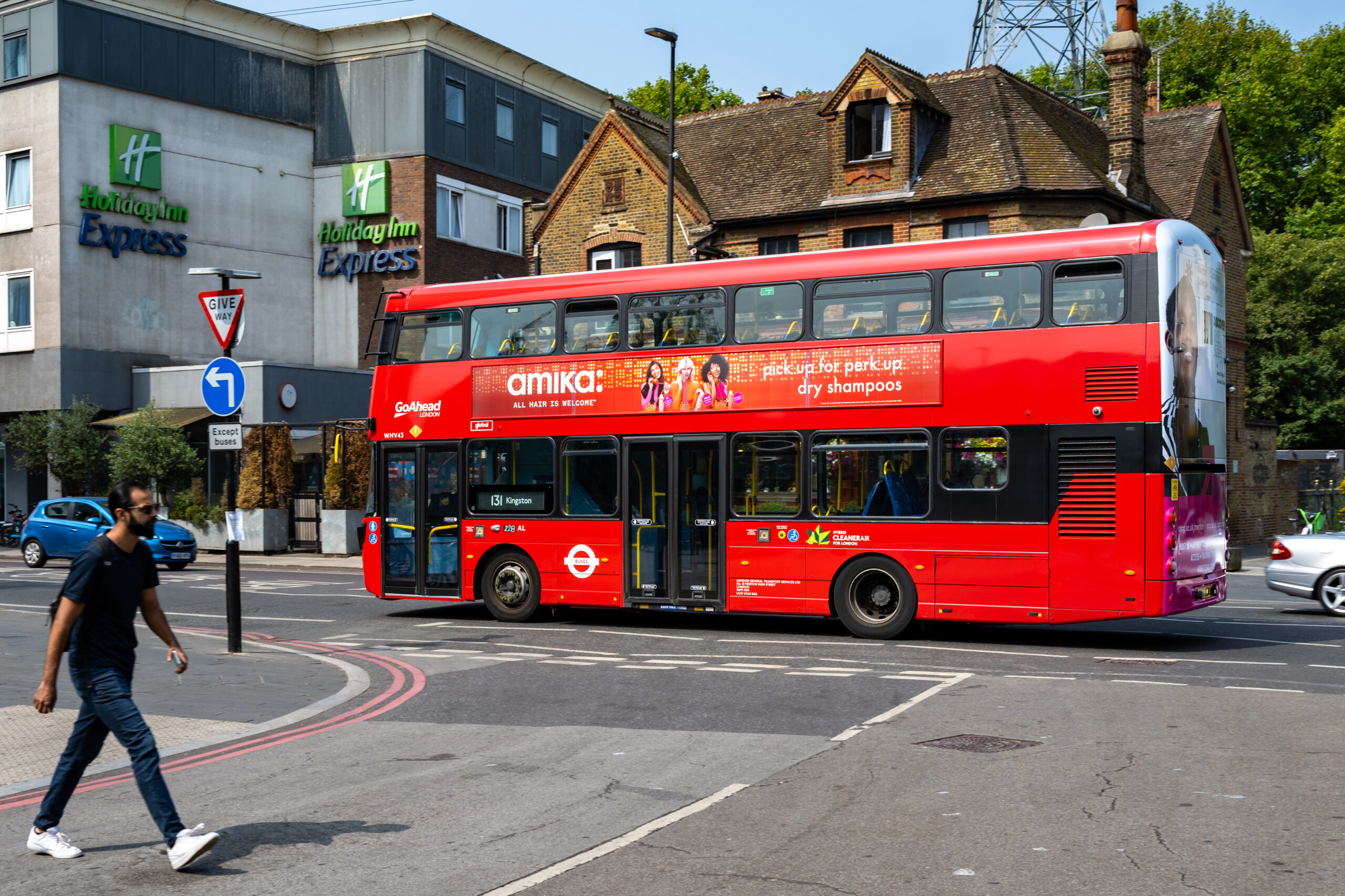
Large-format OOH delivers mass reach quickly. A single roadside billboard, digital screen or transport takeover can be seen by hundreds of thousands of people every week.
Unlike social feeds, OOH cannot be scrolled past, muted or blocked.
Premium brand perception
For beauty brands, perception matters. OOH advertising signals scale, credibility and confidence. When consumers see a beauty brand on high-impact outdoor media, it reinforces the idea that this is a brand worth paying attention to.
This is particularly valuable for:
Premium skincare and cosmetics
New product launches
Brands entering new markets
Mental availability and long-term growth
OOH is exceptionally strong at building mental availability. By repeatedly exposing audiences to consistent brand assets, messaging and visual identity, OOH ensures your brand comes to mind at the point of purchase.
This is critical in beauty, where buying decisions are often made in-store, online marketplaces or retail environments days or weeks after initial exposure.
Extensive research into long-term brand building effectiveness consistently shows that broad-reach channels play a critical role in driving sustainable growth over time.
Contextual relevance
OOH allows beauty brands to appear in culturally and commercially relevant locations:
Near flagship retail stores
In shopping districts
Around gyms, offices and commuter routes
This physical presence reinforces relevance in everyday life, not just online spaces.
For a deeper look at how OOH works specifically for the sector, explore our full guide to out-of-home advertising for fashion and beauty brands.
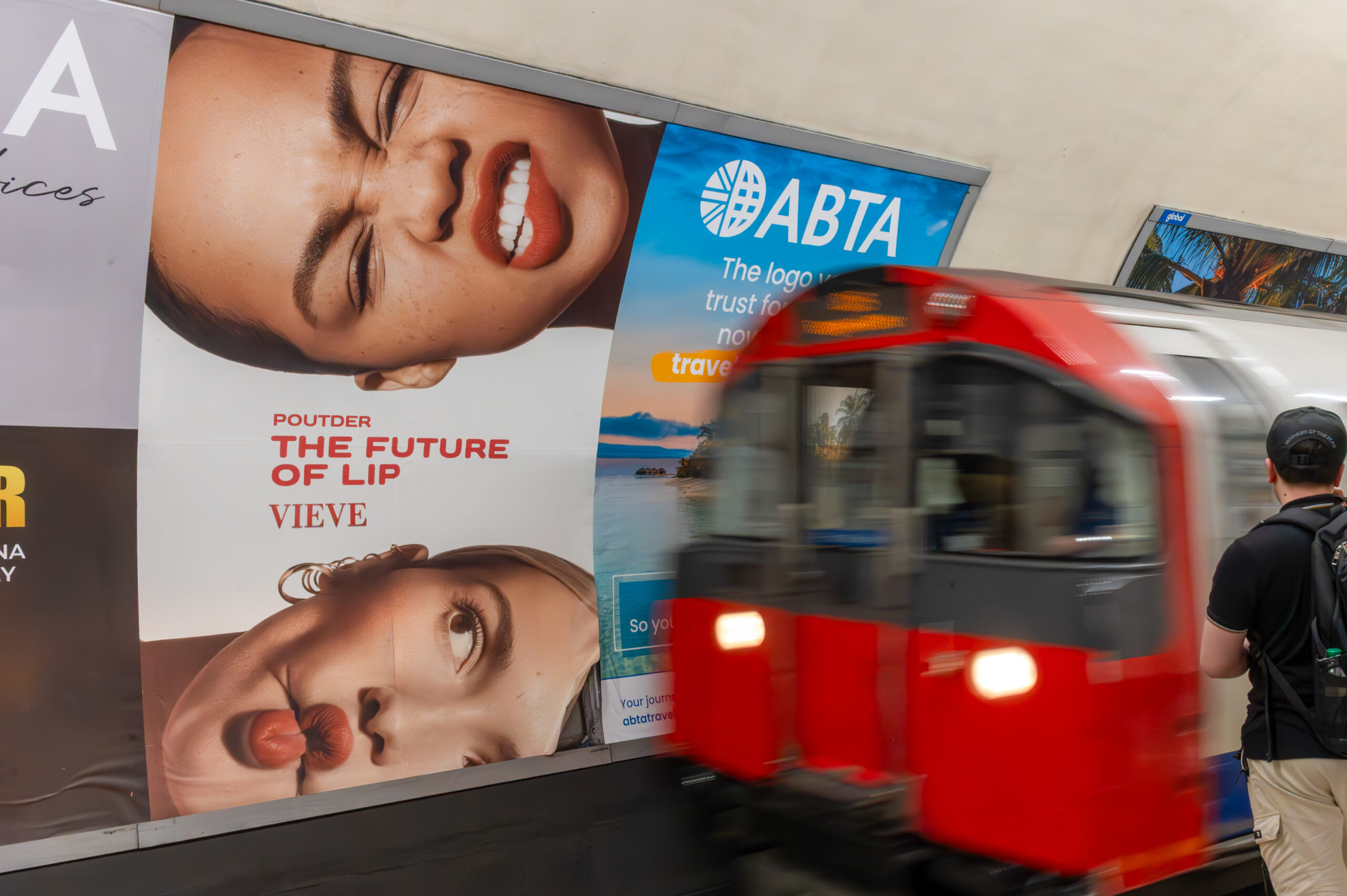
OOH vs Influencer Marketing: A Strategic Comparison
Rather than viewing OOH and influencer marketing as competitors, it is more useful to understand how they perform across key growth metrics.
Brand awareness
Influencer marketing: Strong within niche audiences, limited reach without significant budget.
OOH advertising: Exceptional at driving mass awareness quickly and consistently.
Winner for scale: OOH
Brand trust and credibility
Influencer marketing: Trust varies heavily by creator and audience.
OOH advertising: Seen as established, credible and brand-led.
Winner for credibility: OOH
Engagement and education
Influencer marketing: Excellent for tutorials, product demos and storytelling.
OOH advertising: High-level messaging rather than detailed education.
Winner for depth: Influencer marketing
Longevity of impact
Influencer marketing: Short-term spikes tied to posting schedules.
OOH advertising: Sustained visibility throughout the campaign period.
Winner for long-term growth: OOH
Cost efficiency at scale
Influencer marketing: Costs increase rapidly as brands scale.
OOH advertising: CPMs become increasingly efficient at higher budgets.
Winner for scaled brands: OOH
How the Best Beauty Brands Combine OOH and Influencer Marketing
The most successful beauty brands do not choose between OOH and influencer marketing. They use them together, each playing a distinct role.
A typical high-performing strategy looks like this:
OOH advertising builds mass awareness, brand fame and credibility.
Influencer marketing reinforces messaging, demonstrates product usage and drives conversion.
When consumers see a beauty brand on billboards, transport screens or digital outdoor placements and then encounter it through trusted creators, the effect compounds.
OOH primes the audience. Influencers close the loop.
This integrated approach also improves influencer performance. Creators promoting brands that already feel established often see higher engagement and conversion rates.
The result was increased direct booking traffic and stronger brand visibility among international business travellers and tourists alike.
This mirrors wider research into how consumers discover and choose beauty brands, where multiple touchpoints across physical and digital environments influence purchase decisions.
Why OOH Is Becoming More Important for Beauty Brands in 2025
Several market shifts are making OOH increasingly valuable for beauty brands:
Rising paid social costs
Platform volatility and algorithm changes
Increased consumer scepticism toward sponsored content
Renewed footfall in cities, retail and travel environments
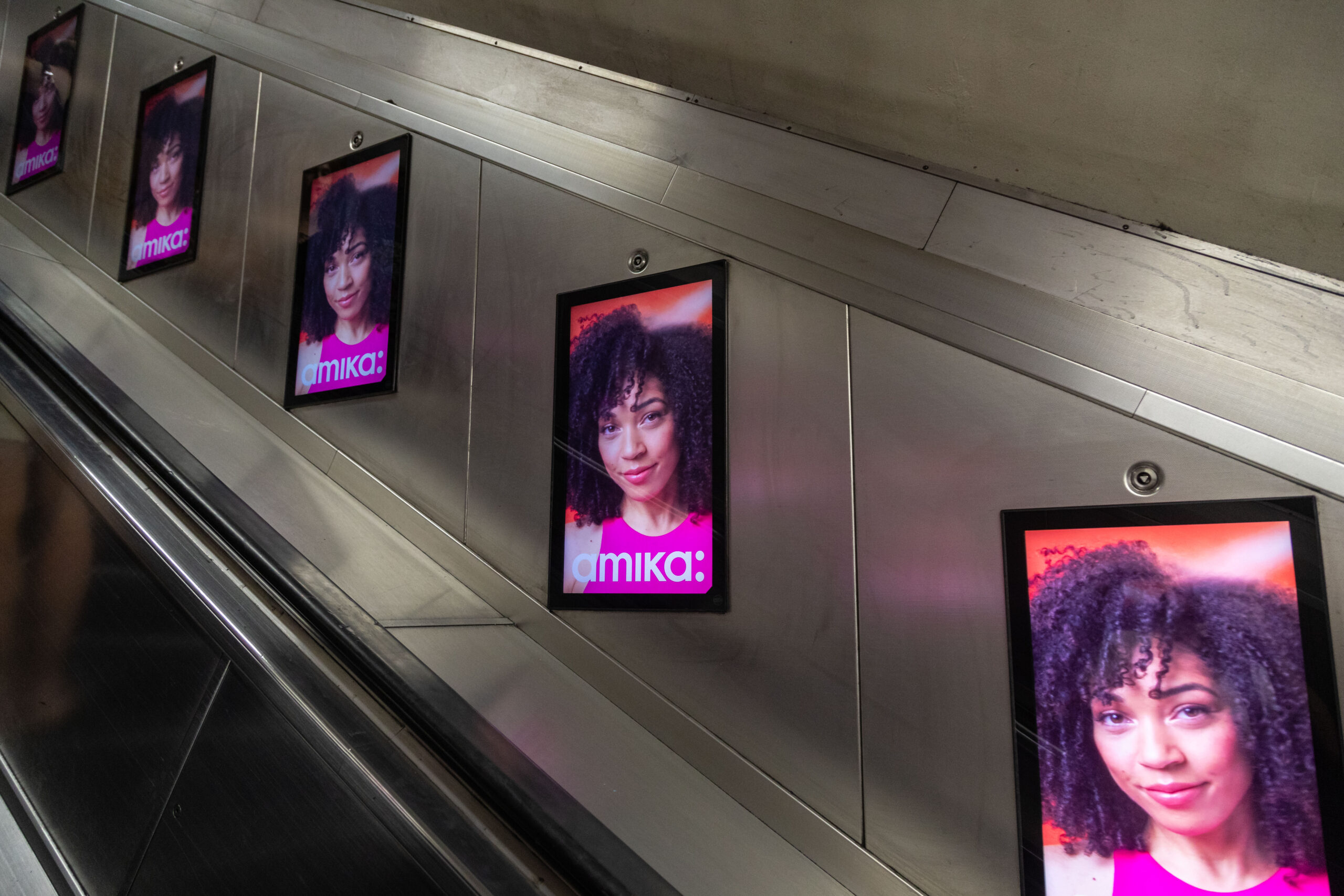
At the same time, modern OOH is no longer static. Digital OOH allows for:
Daypart targeting
Location-based messaging
Rapid creative updates
Measurement through footfall, brand uplift and search attribution
This makes OOH both a brand-building and accountable channel.
If you are looking for specialist support, our beauty advertising agency works with brands to plan, buy and measure high-impact OOH campaigns tailored to growth objectives.
So, Which Drives Real Growth?
Influencer marketing drives action. OOH drives growth.
For beauty brands aiming to move from tactical sales to long-term brand value, out-of-home advertising plays a critical role. It builds fame, trust and mental availability at a scale influencer marketing alone cannot achieve.
The brands that win are not choosing sides. They are building ecosystems where OOH creates demand and influencers convert it.
If your beauty brand is ready to scale visibility, credibility and impact in the real world, OOH should be at the heart of your strategy.
For brands looking to scale beyond social and into real-world visibility, working with a specialist beauty advertising agency ensures OOH is planned, measured and optimised for growth.
Frequently asked questions about out of home advertising for fashion and beauty brands
Influencer marketing remains valuable for beauty brands, especially for product education, tutorials and community engagement. However, it tends to deliver short-term impact and works best when supported by broader awareness channels such as out-of-home advertising.
Neither channel replaces the other. OOH advertising is stronger for driving brand growth, trust and visibility at scale, while influencer marketing performs well for engagement and conversion. The most successful beauty brands use OOH to create demand and influencers to reinforce and convert it.
Absolutely. Many digital-first beauty brands use OOH to transition from online-only visibility into real-world brand recognition. OOH helps DTC brands appear more established, increases search demand and improves performance across other channels, including paid social and influencer marketing.
Modern OOH campaigns can be measured using a combination of footfall data, reach and frequency metrics, brand uplift studies, search lift and sales correlation. Digital out-of-home also allows for time-based and location-based performance analysis.
High-impact digital screens, roadside billboards, transport advertising and retail-adjacent placements work particularly well for beauty brands. Large formats showcase creative and packaging effectively, while proximity to shopping environments supports consideration and purchase.
Beauty brands typically see the strongest results from OOH when launching new products, entering new markets, scaling beyond influencer-led growth or building long-term brand equity. OOH is especially effective when combined with influencer and paid social activity.