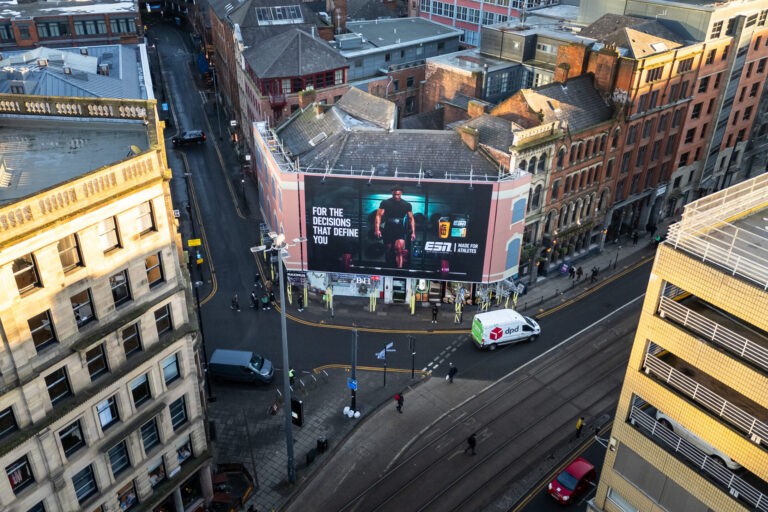
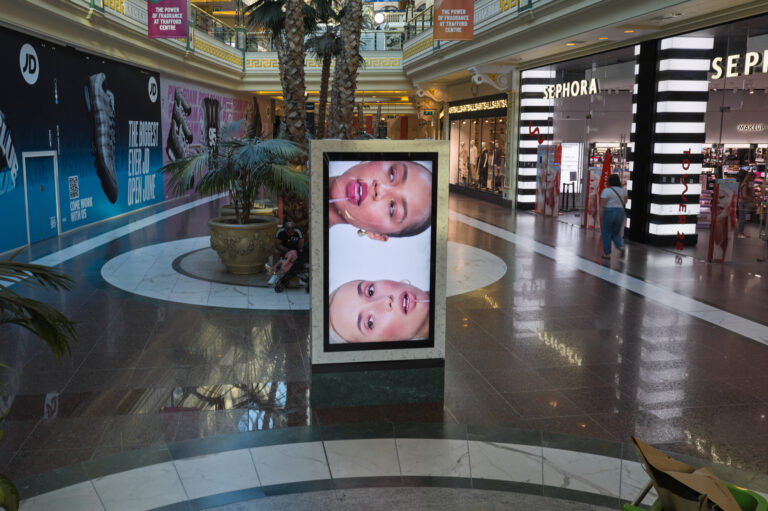
Bus stop advertising has quietly become one of the most dependable and versatile Out of Home formats in the UK.
Whether you call it bus shelter advertising, Adshel advertising, or simply 6-sheet street furniture, this format puts brands right in front of people as they move through busy areas.
You see it every day on the school run, during the commute or walking through a high street. Bus stop ads feel close-up and accessible, and in 2025 they continue to play a key role in DOOH (digital out-of-home) planning alongside billboards, bus advertising and other street furniture screens.
If you want steady reach without overspending, bus stops remain one of the strongest places to show up.
What is Bus Stop Advertising?
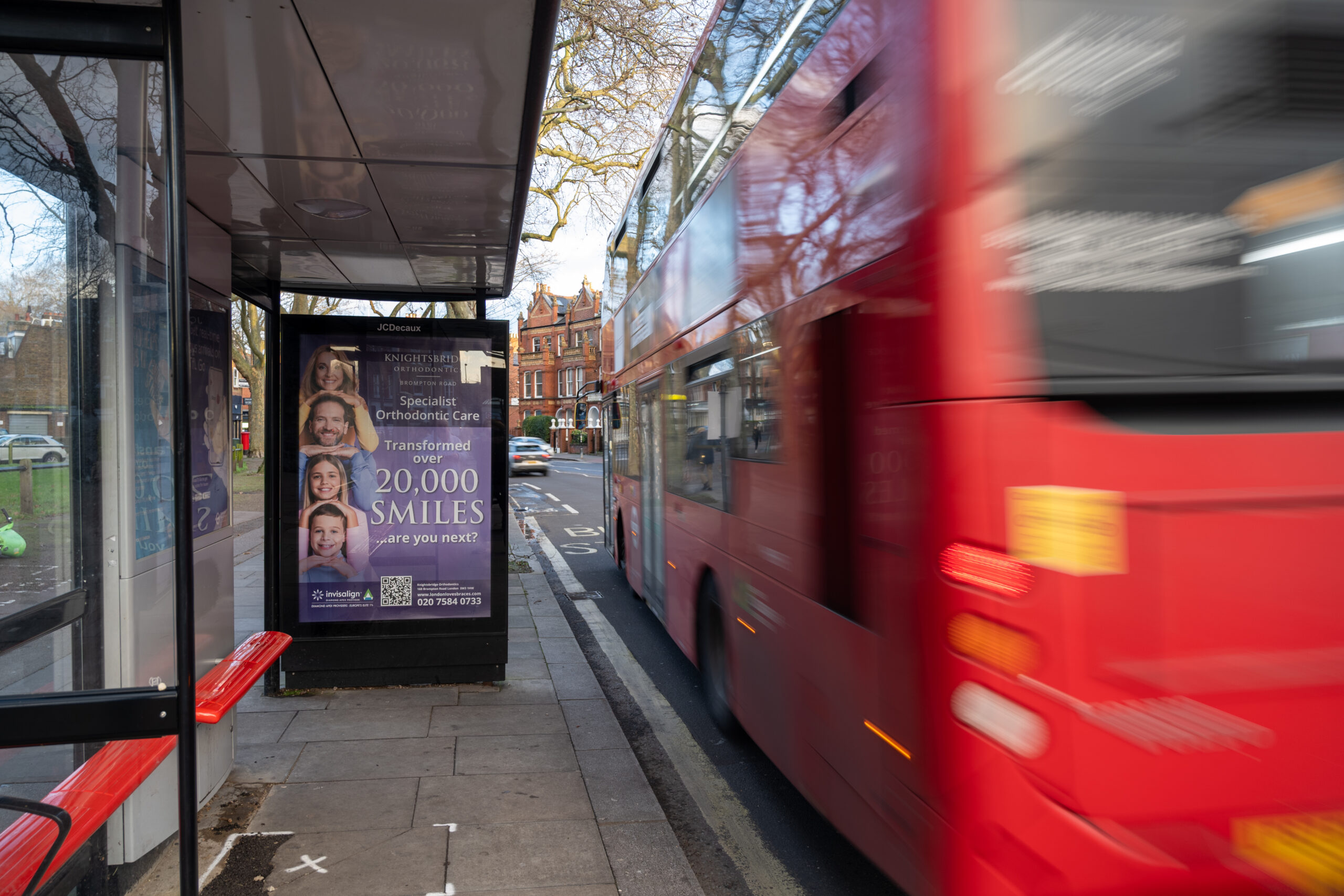
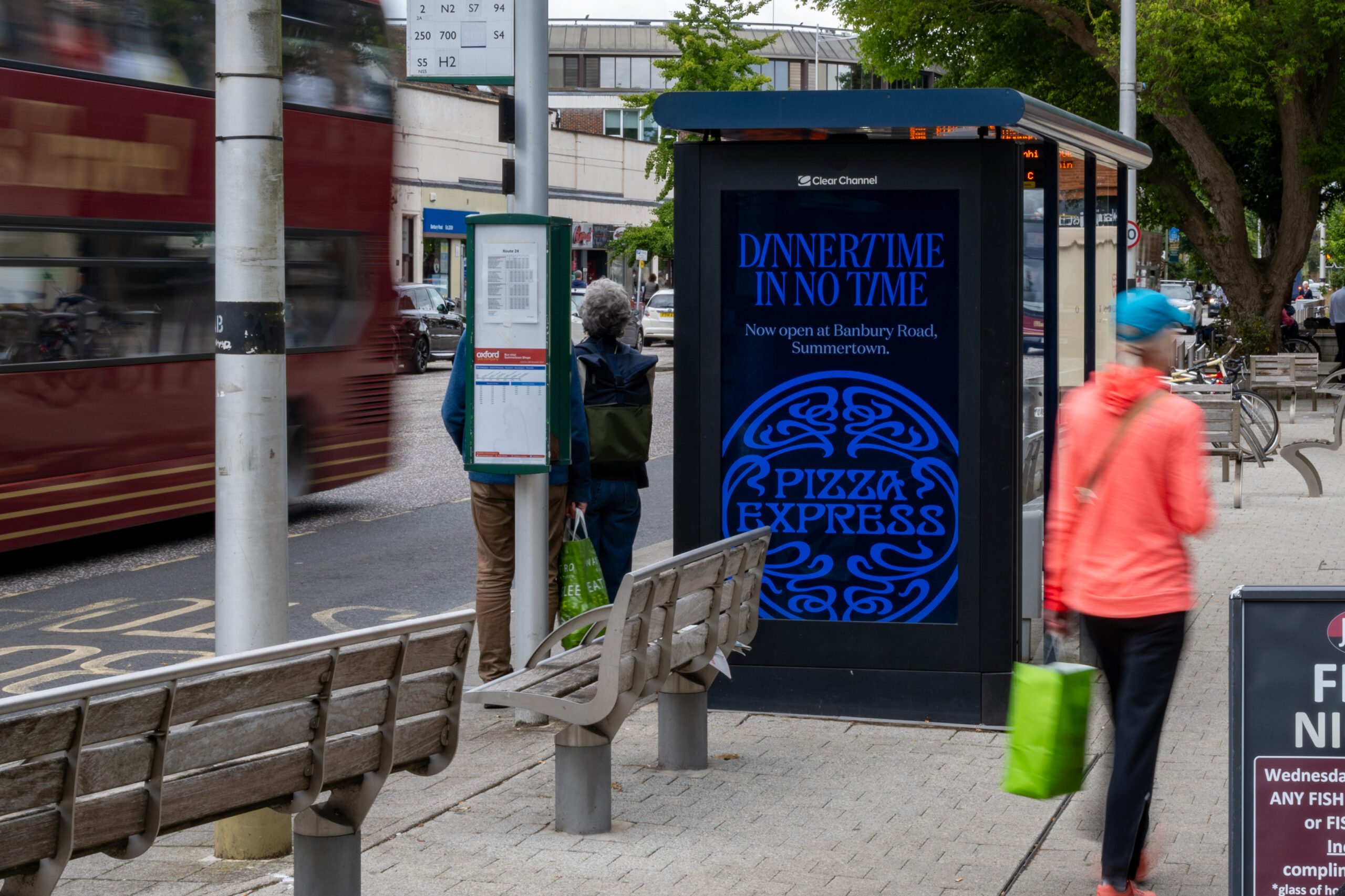
Bus stop advertising, sometimes referred to as bus shelter advertising, 6-sheet advertising or Adshel posters, covers both static and digital panels built into the side of bus shelters.
Most of these units follow the standard 6-sheet size (1.2m x 1.8m), which is big enough to catch attention but small enough to feel personal and close-up. These panels form part of the UK’s wider street furniture advertising network.
Because people often spend a few minutes waiting for a bus, these ads naturally get more dwell time than other forms of street advertising.
They’re seen by pedestrians, commuters and passing traffic, making them a reliable choice for both local and national campaigns.
Bus stops also sit within the wider OOH ecosystem alongside:
- billboards (great for reach and impact)
- bus advertising (great for movement and city-wide scale)
Used together, they help brands build a balanced and consistent presence outdoors.
Why Bus Stop Advertising Works So Well
1. People Actually Look at Them
Bus stops are in places where people naturally pause. That pause means attention, which is incredibly valuable when other channels fight for split-second views.
2. Close-Up, Eye-Level Visibility
Unlike large billboards high above the road, bus stop ads are right in front of people. Perfect for simple messaging and clear visuals.
3. Great for Targeting Local Areas
If you want to target certain neighbourhoods, postcodes or store catchments, bus stops are ideal. You can choose the exact shelters you want to appear on.
4. Affordable but Effective
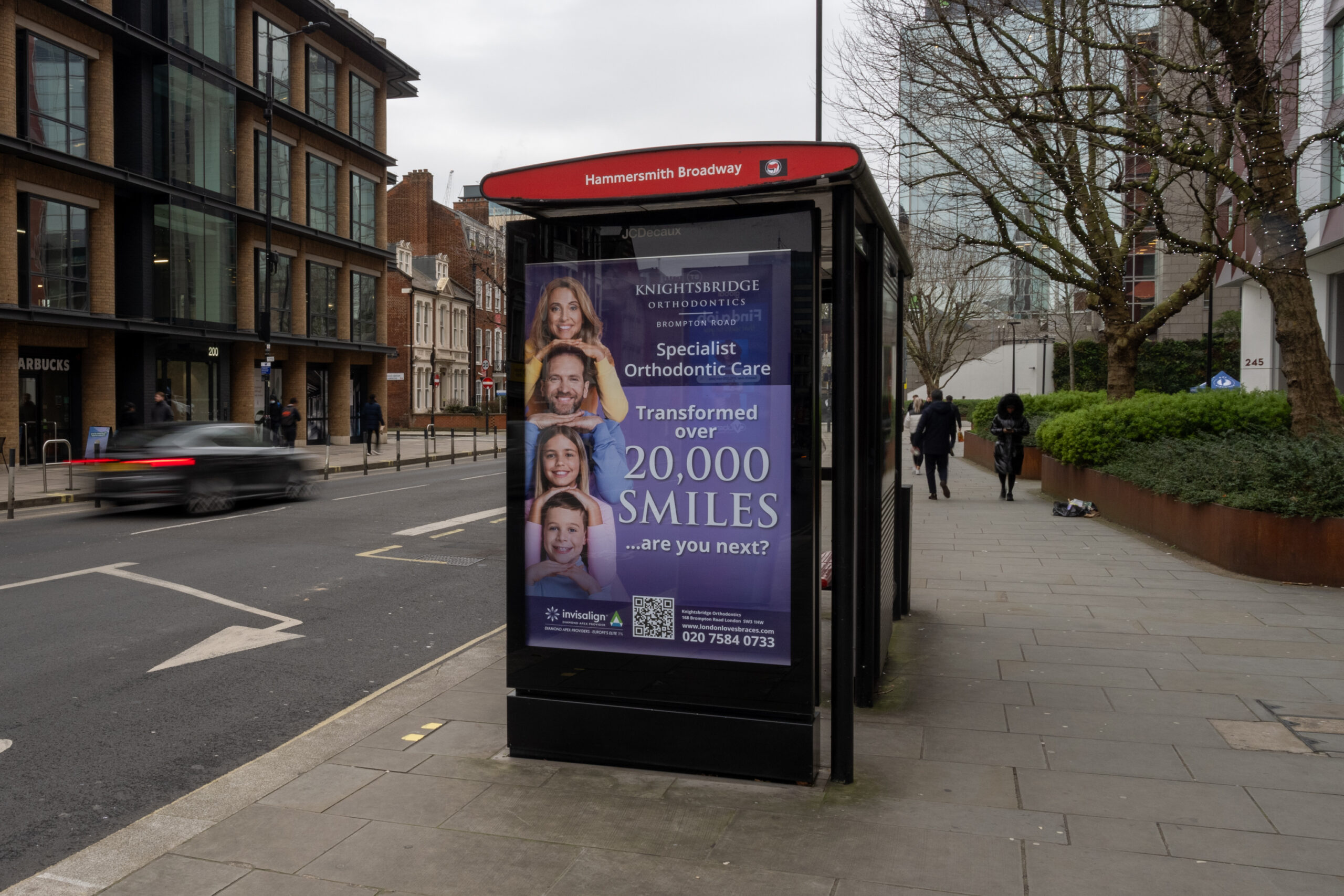
Static 6-sheets are one of the most cost-efficient formats in OOH. You don’t need a huge budget to achieve meaningful visibility.
5. They Support Digital Marketing Too
Studies consistently show that OOH increases brand searches and improves online conversion rates. Bus stop ads work quietly in the background to lift your digital channels.
The Main Bus Stop Advertising Formats in 2025
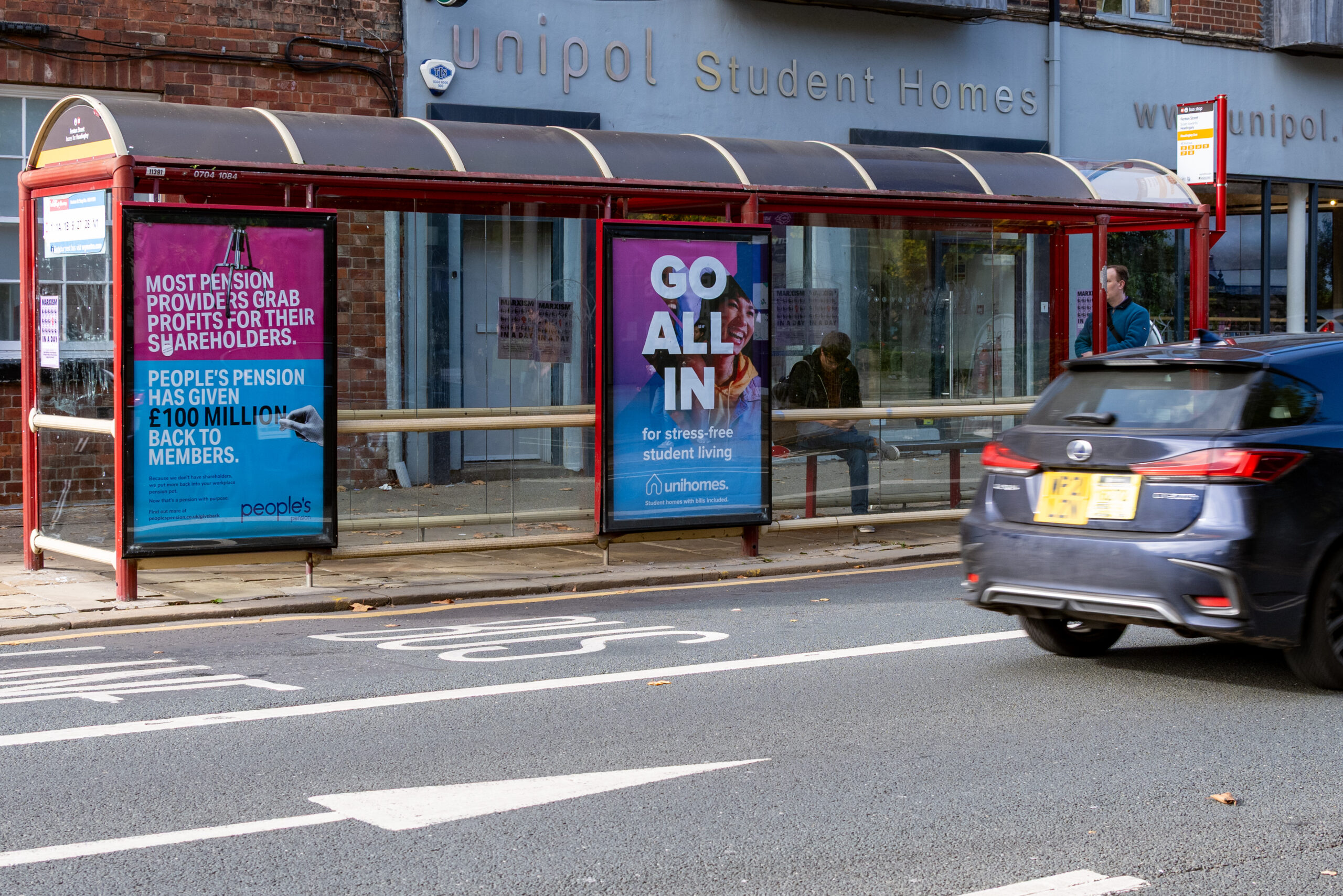
Static 6-Sheet Posters
These are the traditional printed 6-sheet posters you see across the UK’s street furniture advertising network.
Often called Adshel panels, they’re affordable, durable and bookable in two-week cycles. They’re ideal for brands that want broad reach without committing to higher billboard costs.
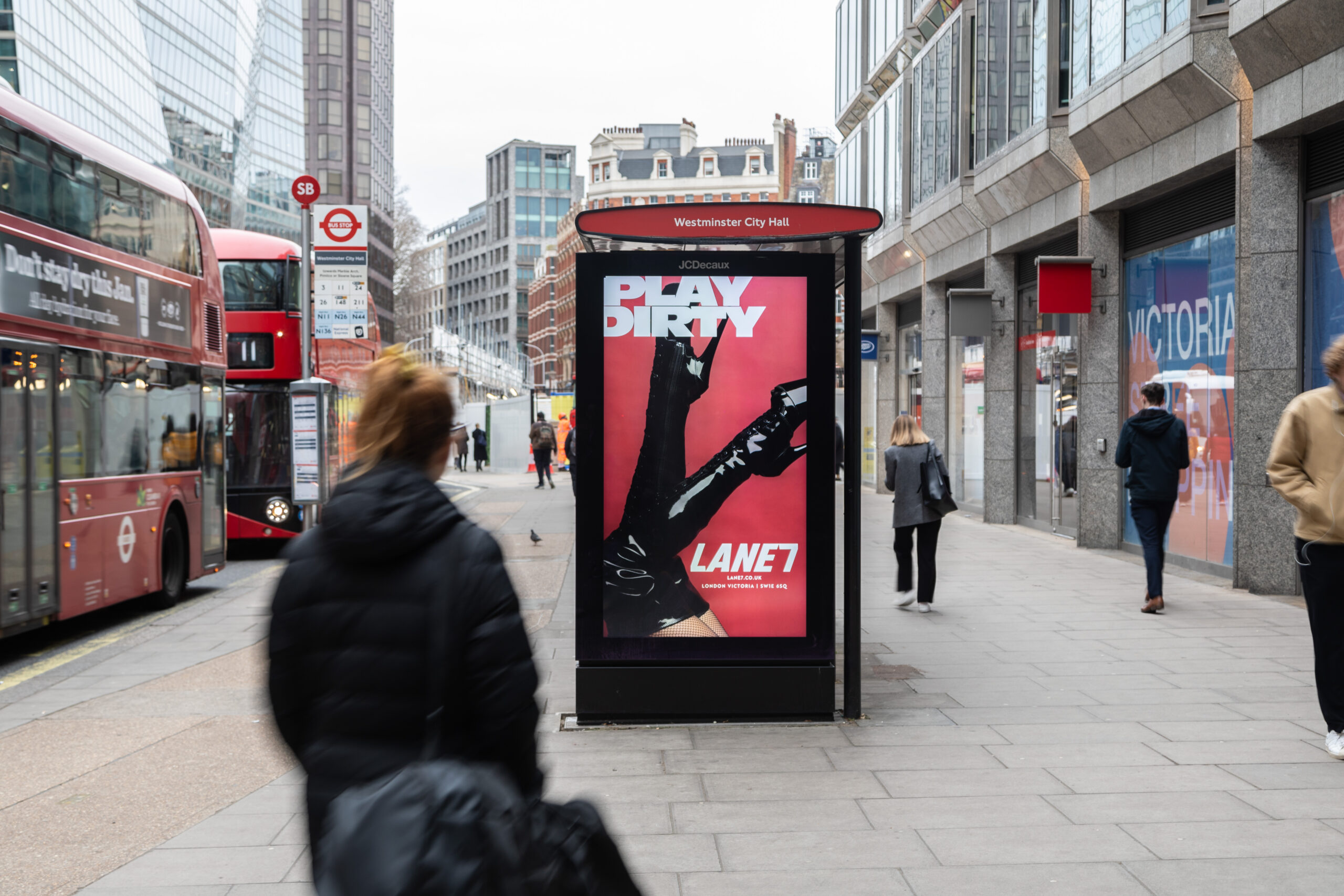
Digital 6-Sheets (D6 Screens)
Digital bus shelters are part of the UK’s fast-growing DOOH (digital out-of-home) landscape.
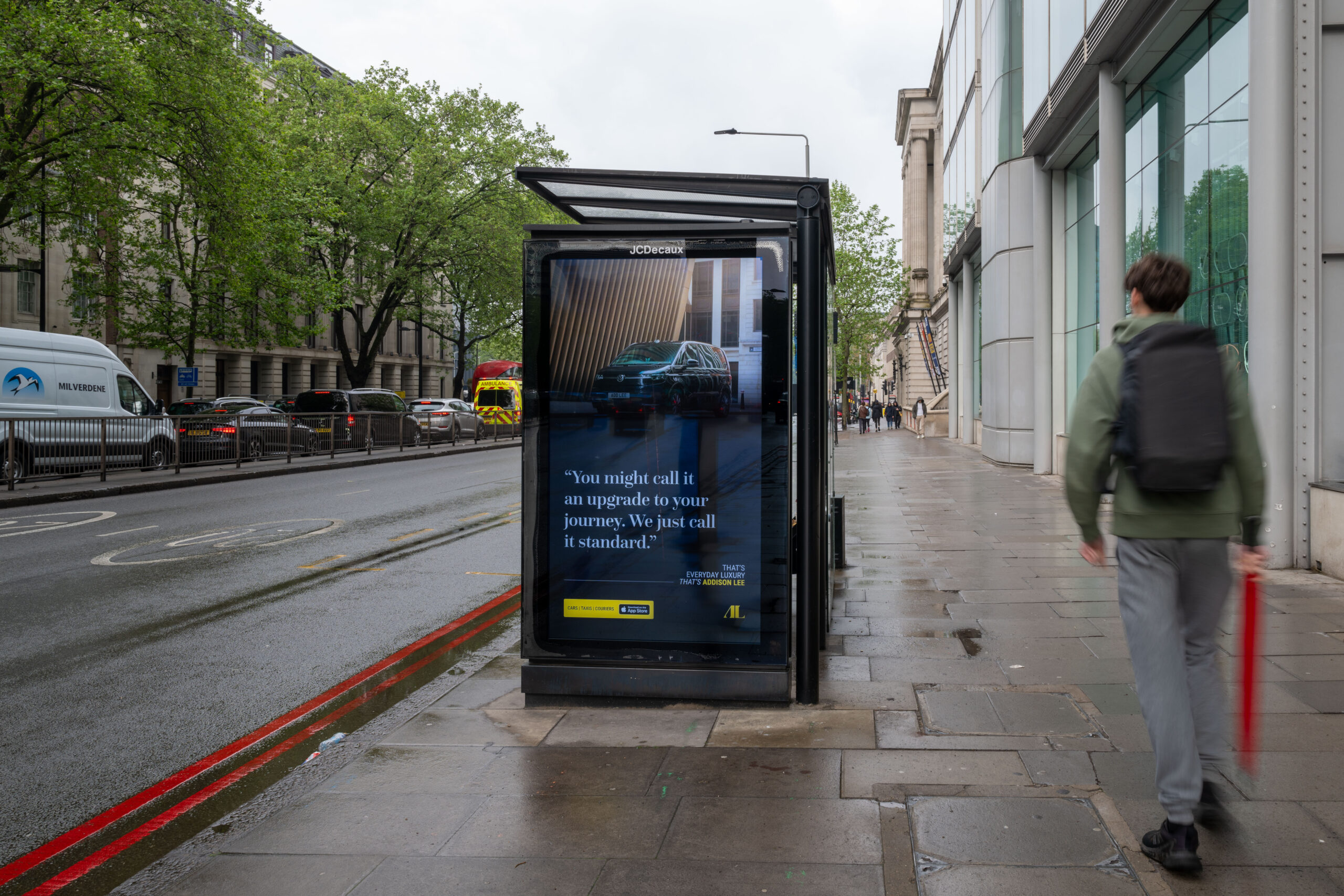
These digital 6-sheet screens allow advertisers to use animated content, rotate creative or schedule ads by time of day. They offer premium visibility and work well as part of an integrated digital OOH strategy.
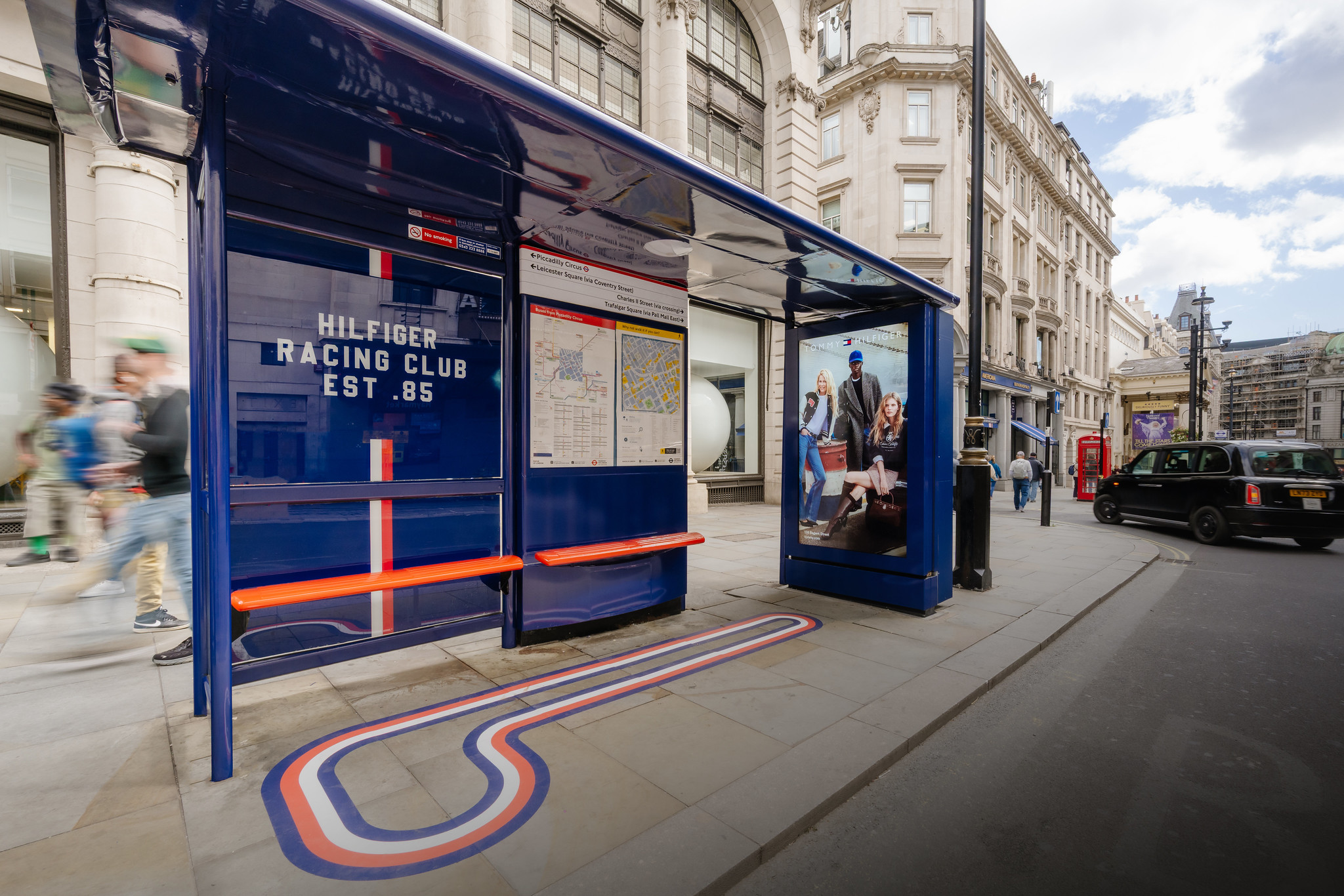
Bus Shelter Wraps and Takeovers
Wraps transform a shelter into a fully branded build, offering an experience closer to a special build or creative OOH activation.
These are great for launches and campaigns that want to stand out beyond standard 6-sheet formats.
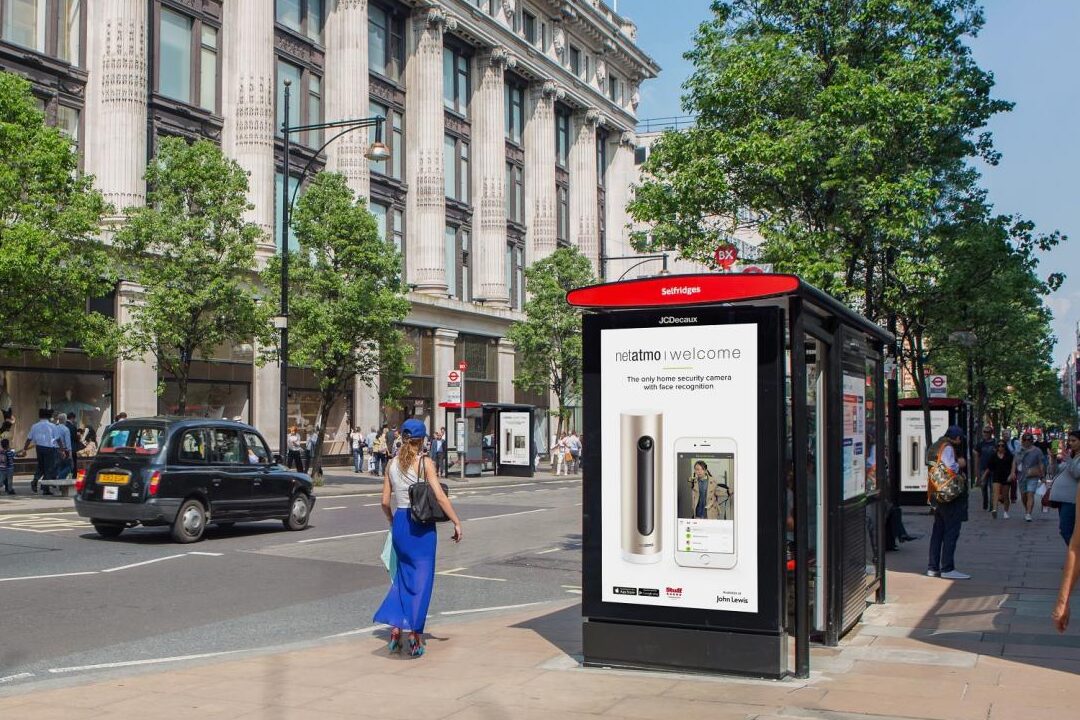
Premium Digital Networks (e.g. Oxford Street)
Some locations offer a premium digital network, where all screens along a major route are linked together and purchased as one package. A well-known example is Oxford Street in London, one of the busiest shopping streets in Europe.
Here’s how these premium networks work:
They’re sold as a network, not individually. You can’t cherry-pick individual screens because the impact comes from the collective presence.
All screens run your ads simultaneously or in perfect sync. This creates a powerful, unified brand moment as people walk the length of the street.
Designed for big brand impact. Think product launches, seasonal campaigns, fashion, tech or entertainment.
High footfall equals high value. These corridors attract millions of shoppers, tourists and commuters every week.
Premium digital networks offer something standard bus shelters can’t: a sense of scale and theatre. When every screen lights up with your creative, the whole street becomes part of your campaign.
How Much Does Bus Stop Advertising Cost in 2025?
Pricing varies by city, demand and format, but here’s a straightforward breakdown:
Static 6-Sheets
Smaller towns & cities: £300–£600 per panel (2 weeks)
Larger cities & Central London: £600–£1,000
Digital 6-Sheets
Prices are usually weekly and based on how much time your ad appears on screen.
Small towns & cities: £500–£800 per week
Larger cities & Central London: £800–£1,250
Premium networks (e.g. Oxford St): £100k+
Shelter Takeovers
Typically £10,000–£50,000+ depending on scale and location.
If you want this section to be more human and relaxed, I can also add “real world examples”, such as what a local restaurant might spend vs a national brand.
Tips for Creating Effective Bus Stop Ads
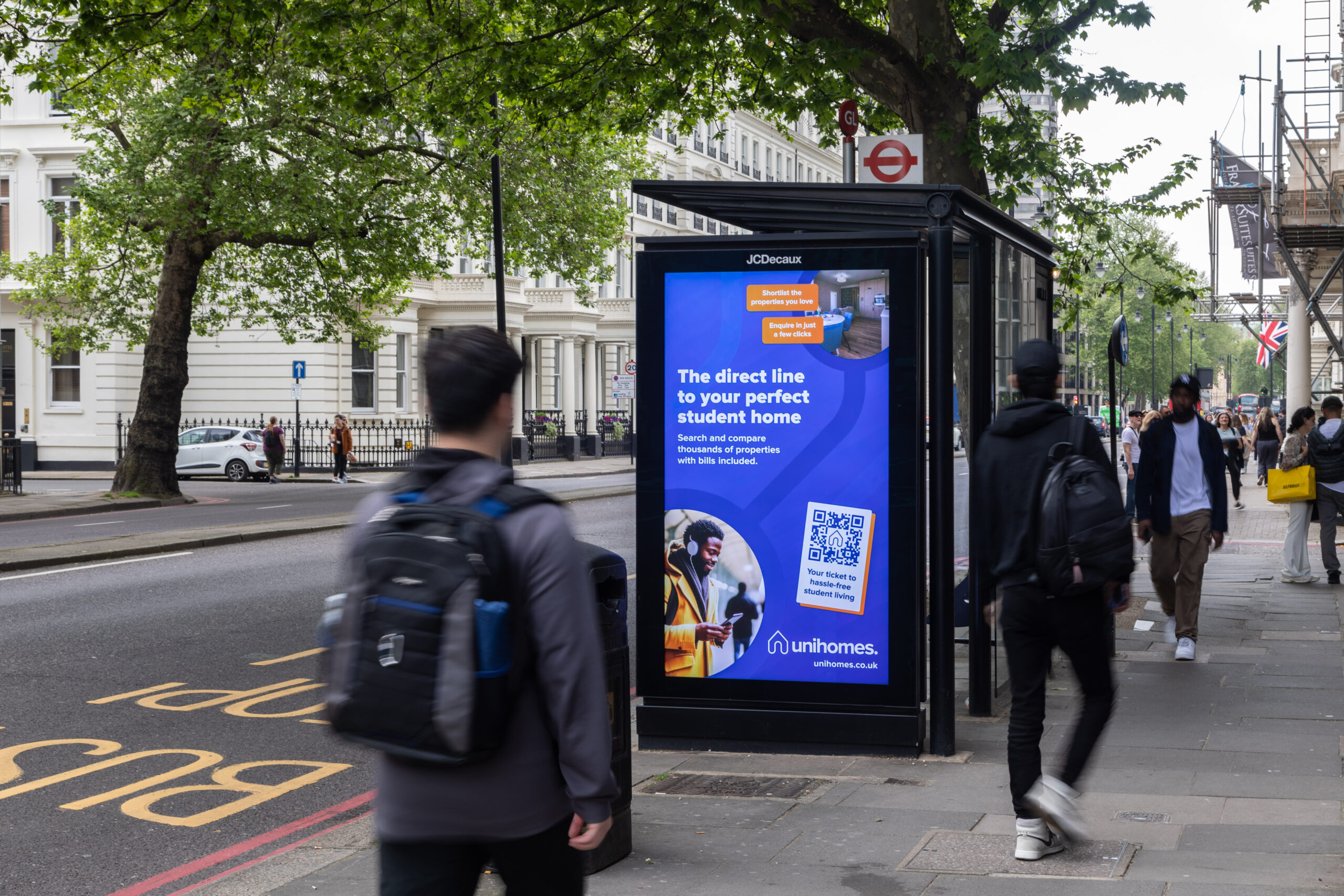
Designing effective bus shelter advertising or 6-sheet creative relies on clarity, contrast and simplicity, especially since these street furniture placements are viewed up close and often for only a few seconds.
Keep Your Message Short
People only need one takeaway. One headline, one visual, one clear action.
Use Strong Colours and Contrast
This improves readability, especially from a distance or in darker conditions.
Design for Eye-Level Viewing
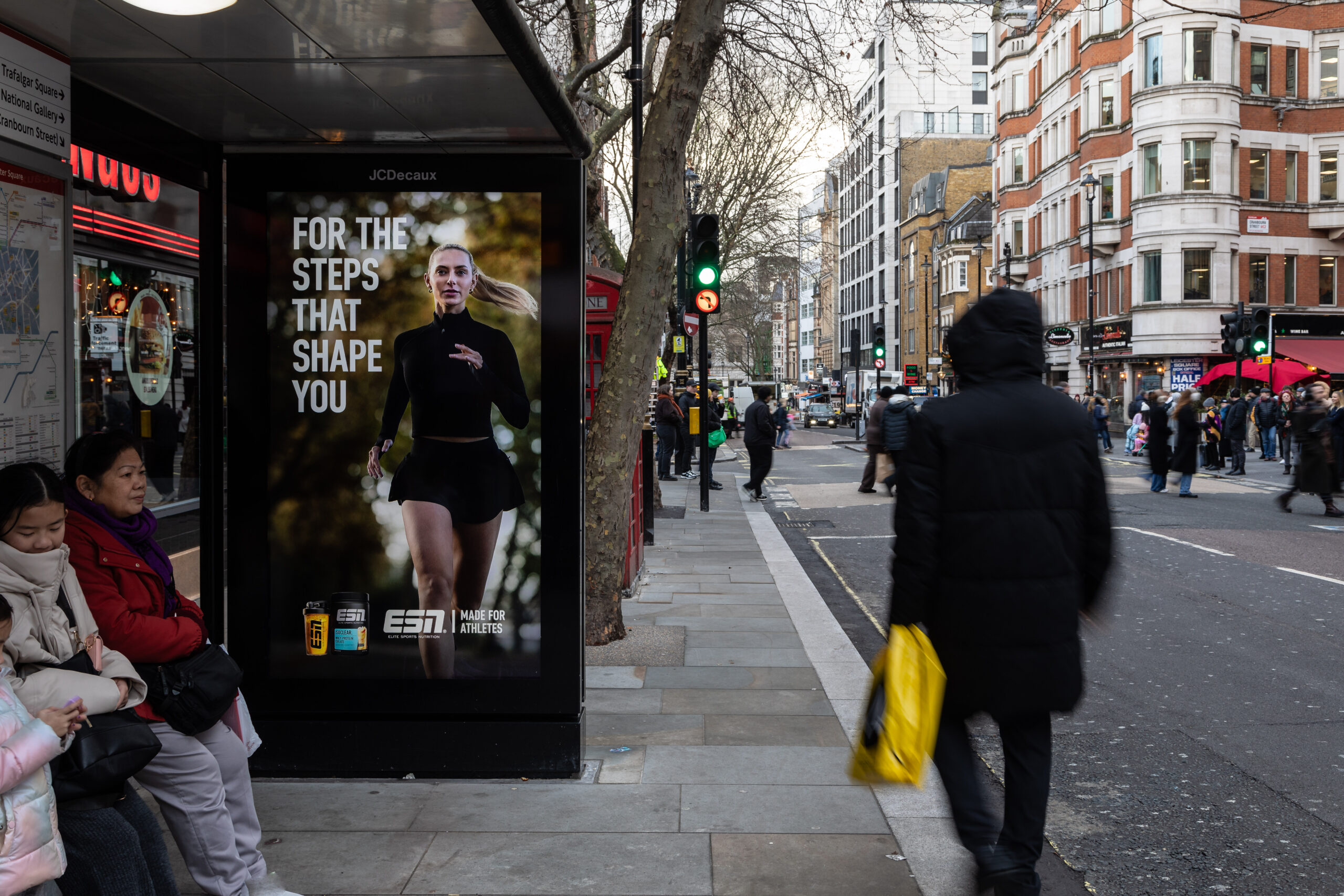
Bus stop ads are up close, so clean layouts and bold imagery work best.
Add Something Trackable
A QR code, short URL or offer code can help measure engagement.
Think About Context
Digital ads can change by time of day. Morning commuters may need a different message than evening shoppers.
How to Measure Success
Measuring bus stop advertising has become easier thanks to better data and modelling. You can track:
Audience impressions through Route
Website and brand search uplift during the campaign
QR code scans
Footfall or store visits
Sales changes in targeted areas
Even if someone doesn’t immediately scan or click, the awareness lift often strengthens every other marketing channel you’re running.
Why Bus Stop Advertising Still Matters in 2025
Even with the rise of digital advertising, real-world presence still counts. People are out and about every day, and bus shelter advertising puts your brand right where life happens, on the school run, on the commute, on the high street.
It’s accessible, flexible, budget-friendly and consistently effective. Whether you’re running a nationwide awareness campaign or reaching a specific postcode, bus stop ads offer a dependable way to stay visible.
Bus stop advertising continues to perform strongly because it sits at the intersection of local advertising, street furniture OOH, and digital out-of-home. Whether you’re trying to dominate a postcode, build awareness in a city centre or support a wider billboard and bus campaign, 6-sheet bus shelters give you dependable reach at eye level.
Frequently Asked Questions About Bus Stop Advertising
Static 6-sheet posters start from around £300–£600 per panel for two weeks, while digital 6-sheet DOOH screens range from £400–£1,800 per week depending on the city.
Adshel is the industry term used for 6-sheet bus shelter posters and digital screens.
Most UK bus stop ads use the 6-sheet format, measuring roughly 1.2m x 1.8m.
Yes, especially in premium DOOH corridors like Oxford Street, where screens run synchronised creative for maximum impact.
A 6-sheet is a standard OOH advertising size used in bus shelters and street furniture. It measures roughly 1.2m x 1.8m and is the most common format for bus stop advertising across the UK.
Absolutely. 6-sheet bus shelter ads are one of the most cost-effective OOH formats, making them accessible for restaurants, gyms, retailers and local service businesses.