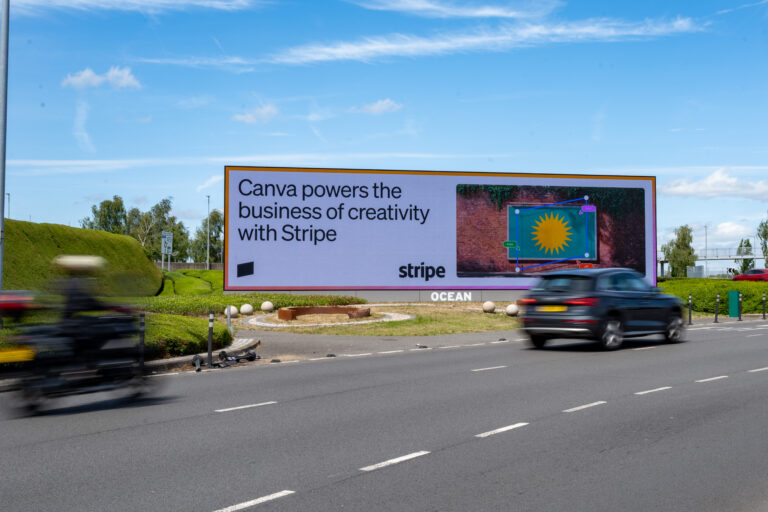
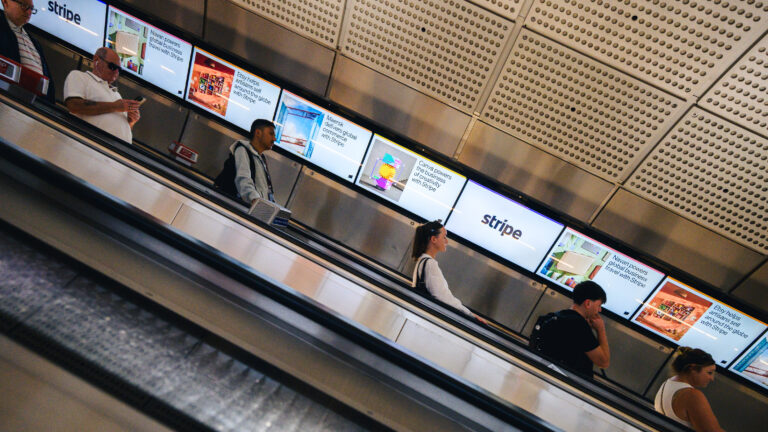
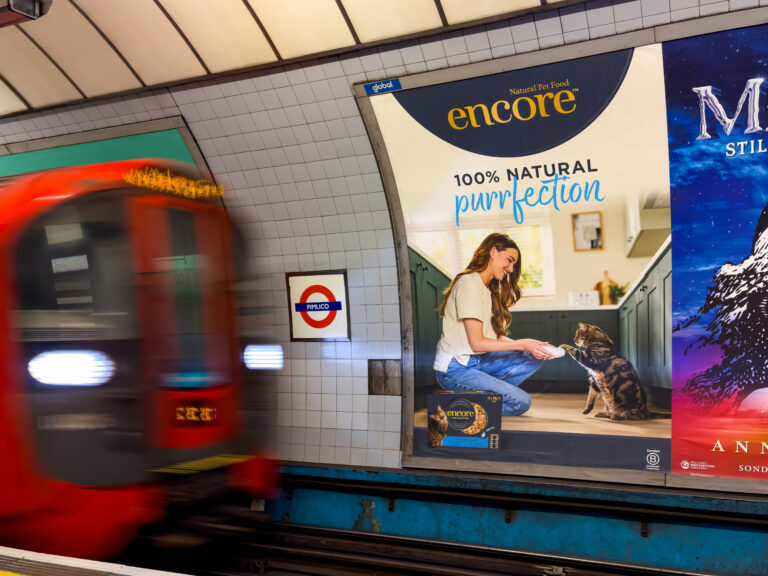
What Is Programmatic OOH?
Programmatic Out-of-Home (often shortened to Programmatic OOH, Programmatic DOOH or pDOOH) is a way of buying digital out-of-home advertising using automated technology rather than booking individual advertising sites manually.
Instead of selecting every digital billboard, bus shelter or shopping centre screen yourself, programmatic technology allows campaigns to be planned, activated and optimised through specialist buying platforms.
That doesn’t mean the campaign runs entirely on autopilot.
In reality, successful Programmatic OOH campaigns still require careful planning around audience targeting, locations, budgets and creative. The technology simply makes buying digital inventory more flexible and data-driven than traditional booking methods.
As more digital screens are installed across the UK and internationally, Programmatic OOH continues to grow rapidly, giving advertisers greater control over when, where and how their campaigns are delivered.
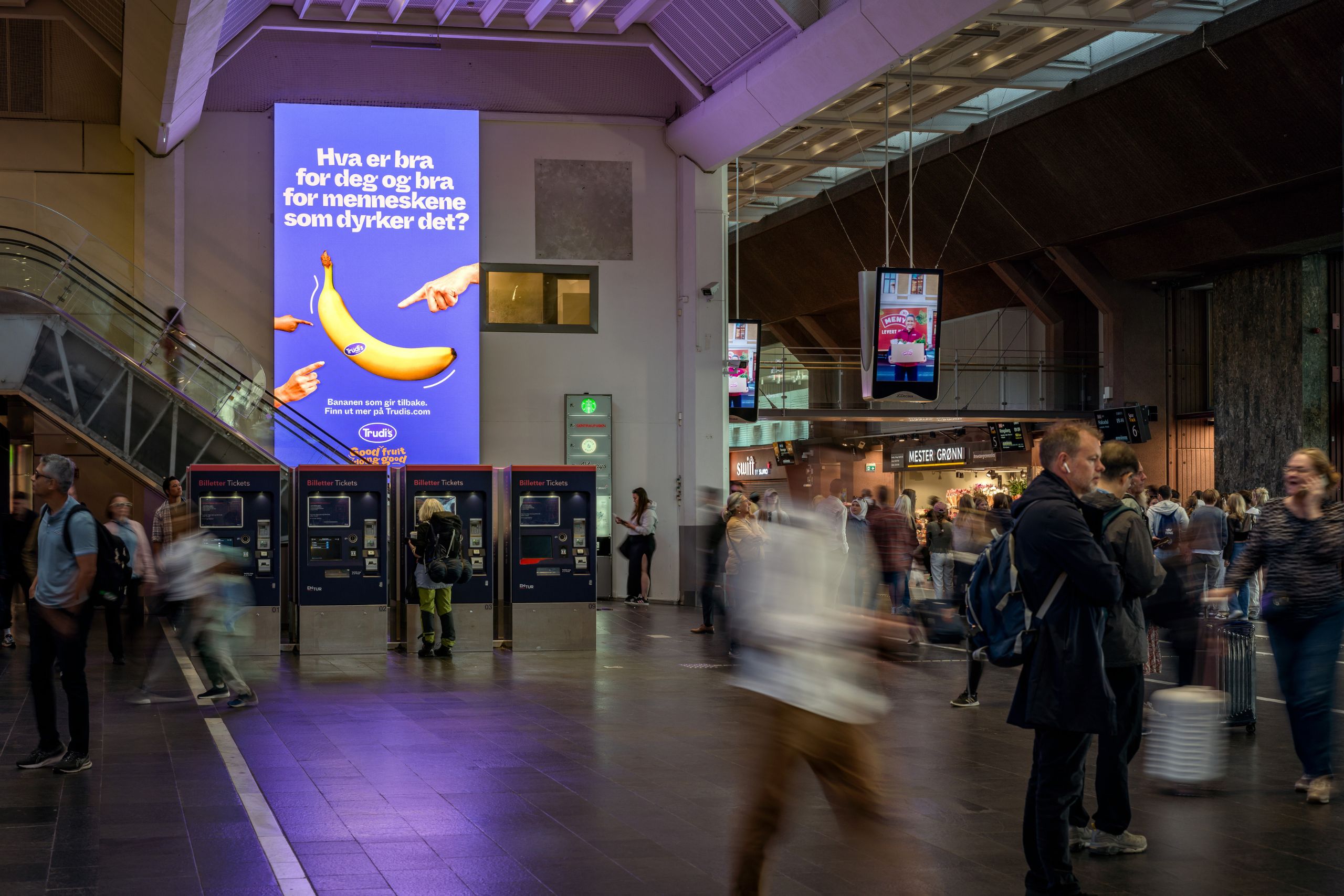
What Does Programmatic OOH (Programmatic DOOH) Mean?
At its simplest, Programmatic OOH is the automated buying of digital outdoor advertising inventory.
Instead of booking:
- 100 specific digital billboards
- Fixed dates
- Fixed times
- Fixed loops
advertisers purchase impressions or media opportunities based on rules they’ve set beforehand.
Those rules could include:
- Time of day
- Day of week
- Weather conditions
- Audience profiles
- Traffic levels
- Budget limits
- Screen availability
The result is a campaign that can adapt while it’s live, rather than remaining fixed from start to finish.
Programmatic OOH vs Traditional OOH Buying
Traditional outdoor advertising isn’t going anywhere.
In fact, many of the UK’s highest-impact campaigns are still bought directly from media owners.
The difference lies in how campaigns are purchased.
| Traditional Buying | Programmatic OOH |
|---|---|
| Fixed sites booked in advance | Automated buying through platforms |
| Fixed campaign dates | Flexible campaign scheduling |
| Usually fixed pricing | Impression or CPM-based buying |
| Limited optimisation during campaign | Budgets and delivery can be adjusted while live |
| Ideal for premium domination campaigns | Ideal for flexible, data-led campaigns |
Neither approach is inherently better.
For example, if you want to dominate Waterloo Station for four weeks or secure a landmark billboard in Times Square, buying directly is often the best option.
However, if your campaign needs flexibility, dynamic creative or audience-based delivery, Programmatic OOH may be the stronger solution.

How Does Programmatic OOH Work?
Without getting too technical, the process is relatively straightforward.
1. Campaign objectives are defined
Every campaign starts with clear objectives.
These might include:
- Increasing brand awareness
- Driving store visits
- Supporting a product launch
- Promoting an event
- Building frequency across multiple cities
2. Audience targeting is selected
Rather than choosing individual screens, advertisers can target audiences based on data.
Depending on the market and platform, this could include:
- Commuters
- Business professionals
- Families
- Students
- Retail shoppers
- Sports fans
- Airport travellers
3. Inventory is purchased
Campaigns are activated through specialist Programmatic DOOH platforms which access thousands of digital screens across multiple media owners.
You’ll often see the terms Programmatic OOH and Programmatic DOOH used interchangeably. Strictly speaking, because programmatic buying only applies to digital screens, “Programmatic DOOH” is technically the more accurate term. In practice, however, both phrases refer to the same advertising approach.
This removes the need to negotiate with each media owner individually.
4. Campaign delivery is optimised
One of Programmatic DOOH’s biggest strengths is its flexibility.
Campaigns can often be adjusted while live by changing:
- Budgets
- Locations
- Dayparting
- Creative
- Audience targeting
This allows advertisers to respond to campaign performance without waiting until the next booking cycle.
Where Can Programmatic OOH Ads Appear?
Programmatic DOOH inventory is available across a growing range of digital advertising formats, including:
- Digital billboards
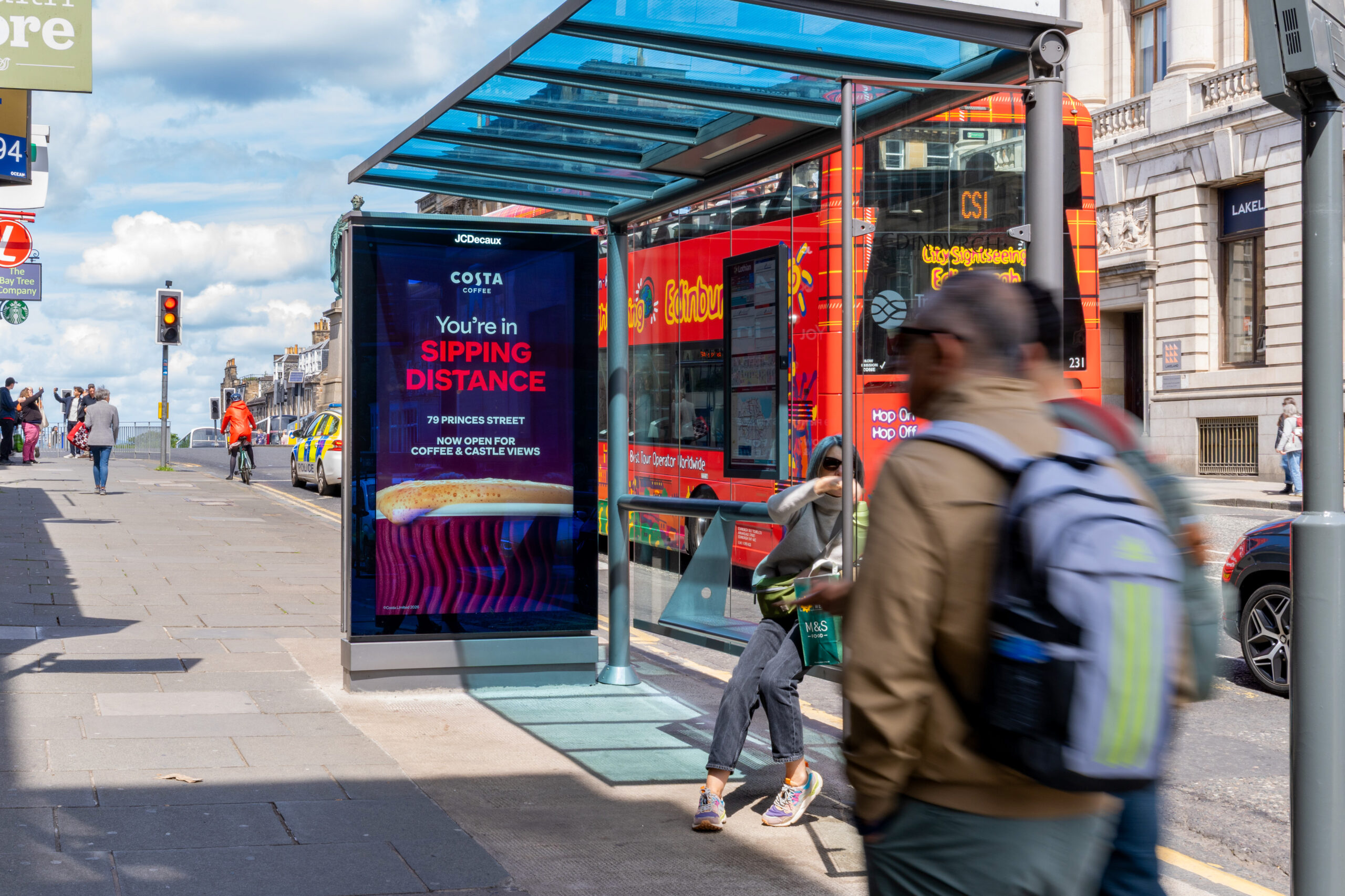
- Bus shelters
- Shopping centres
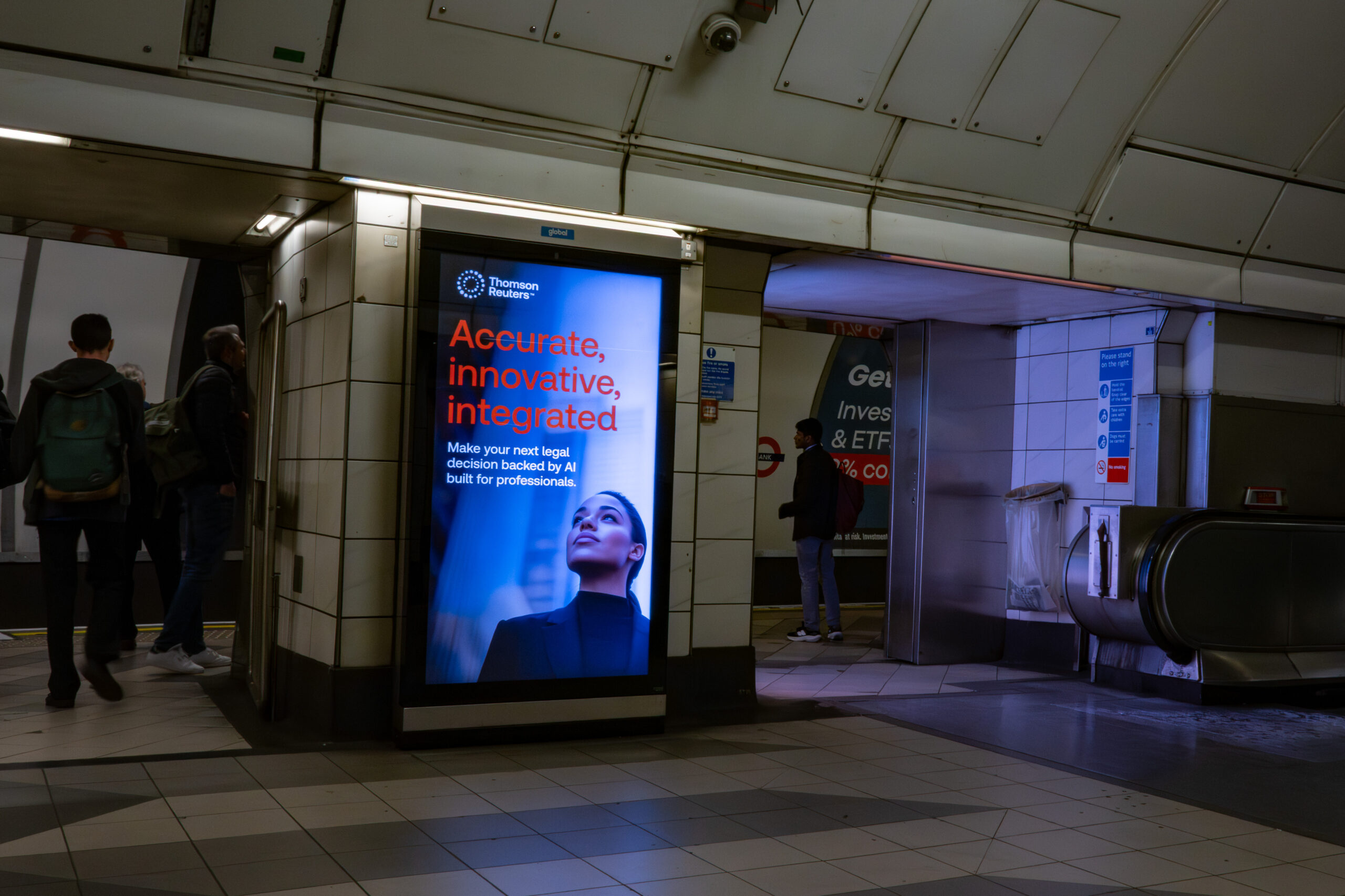
- Rail stations
- Airports
- Office buildings
- Retail media networks
- Street furniture
- Roadside digital screens
Availability varies by country, city and media owner, but every year more inventory becomes available programmatically.

The Benefits of Programmatic OOH
Greater flexibility
Unlike traditional campaigns booked months in advance, Programmatic OOH allows advertisers to react to changing conditions.
Budgets, timing and creative can often be adjusted while campaigns are running.
Smarter targeting
Rather than simply buying locations, advertisers can build campaigns around audience behaviour.
This helps improve relevance without sacrificing the broad reach that makes out-of-home advertising so effective.
Dynamic creative
Programmatic campaigns can automatically change creative based on live data.
Examples include:
- Weather
- Temperature
- Time of day
- Countdown timers
- Live sports scores
- Traffic conditions
- Air quality
- Flight information
This creates more relevant messaging for people seeing the advert.
Better efficiency
Because campaigns can be optimised during delivery, budgets can often be allocated more efficiently than with fixed bookings.
That doesn’t necessarily make Programmatic OOH cheaper, but it can make spend work harder.
Faster campaign launches
Traditional bookings can involve multiple conversations with individual media owners.
Programmatic platforms streamline much of this process, making it possible to launch campaigns much more quickly.
Real-World Examples of Programmatic OOH
One of the biggest advantages of Programmatic OOH is the ability to trigger advertising based on real-world events.
Some examples include:
Coffee brand
Ads only appear when temperatures drop below 10°C.
Restaurant chain
Breakfast creative automatically switches to lunch menus at 11am before changing again for evening promotions.
Retail brand
Creative displays the nearest store based on the screen location.
Airline
Digital screens update automatically with live pricing or destination offers.
Entertainment campaign
A countdown clock updates every day leading up to an event launch.
How Much Does Programmatic OOH (Programmatic DOOH) Cost?
There isn’t a single answer because pricing depends on several factors.
These include:
- Market
- Audience targeting
- Inventory availability
- Campaign duration
- Creative requirements
- Budget
Unlike traditional outdoor advertising, many Programmatic OOH campaigns are purchased on a CPM (Cost Per Thousand Impressions) basis.
Budgets can range from a few thousand pounds for local campaigns through to six and seven-figure international campaigns.
If you’re unsure where to start, working with an independent OOH agency can help identify the most cost-effective approach.
Is Programmatic OOH Measurable?
Yes.
While out-of-home has always been a powerful awareness channel, advances in measurement mean Programmatic OOH campaigns can now be evaluated in several ways.
Common measurement methods include:
- Impressions
- Reach
- Frequency
- Store visits
- Brand lift studies
- Website traffic
- Branded search volume
- QR code engagement
- Mobile location data
- Campaign attribution
No single metric tells the full story, so measurement should always align with the campaign’s objectives.
If you’d like to learn more, we’ve also written a guide on How to Measure Out-of-Home Advertising.
Is Programmatic OOH Right for Every Campaign?
Not necessarily.
Programmatic OOH is incredibly powerful, but it isn’t always the best option.
For example, if your objective is to secure a famous landmark billboard, dominate a major railway station or guarantee exclusive ownership of a premium location, traditional direct buying is often the better route.
Equally, if your campaign requires maximum flexibility, dynamic messaging or audience-led optimisation, Programmatic OOH may offer significant advantages.
The best approach depends on your objectives rather than the technology itself.
Final Thoughts
Programmatic OOH has transformed the way many brands buy digital outdoor advertising, bringing greater flexibility, smarter targeting and real-time optimisation to one of advertising’s oldest channels.
That said, technology is only one part of a successful campaign.
Choosing the right locations, understanding your audience and developing creative that genuinely captures attention remain just as important as ever.
At Excite OOH, we help brands navigate both traditional and Programmatic OOH campaigns across the UK and internationally. Because we’re independent, our recommendations are based on what will deliver the strongest outcome for your objectives, not on selling a particular media owner’s inventory.
Whether you’re exploring Programmatic OOH for the first time or planning your next campaign, we’d be happy to help.
Frequently Asked Questions
No.
DOOH (Digital Out-of-Home) refers to the advertising screens themselves.
Programmatic OOH refers to how some of that digital inventory is bought.
Not every digital billboard is available programmatically.
Yes.
Programmatic buying has made digital outdoor advertising accessible to a wider range of advertisers, although minimum budgets still vary depending on the market and campaign objectives.
No.
Most advertisers use a combination of traditional and programmatic buying depending on the campaign.
Yes.
Dynamic Creative Optimisation (DCO) allows adverts to update based on predefined triggers such as weather, time of day or live data feeds.
Increasingly, yes.
Many major cities now offer programmatic digital inventory across roadside, transport, retail and street furniture networks, although availability differs between markets.
Yes. Rather than targeting individuals, Programmatic OOH uses anonymised audience and location data to deliver ads where your target audience is most likely to be, based on factors such as location, time of day, weather and nearby points of interest.