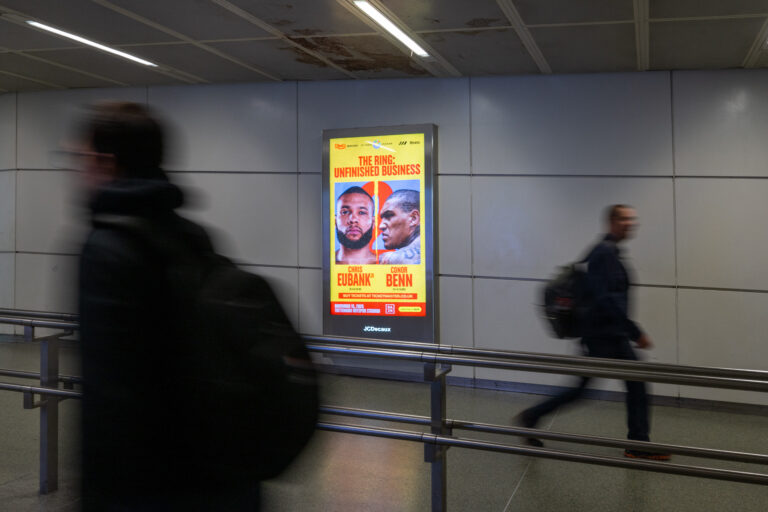
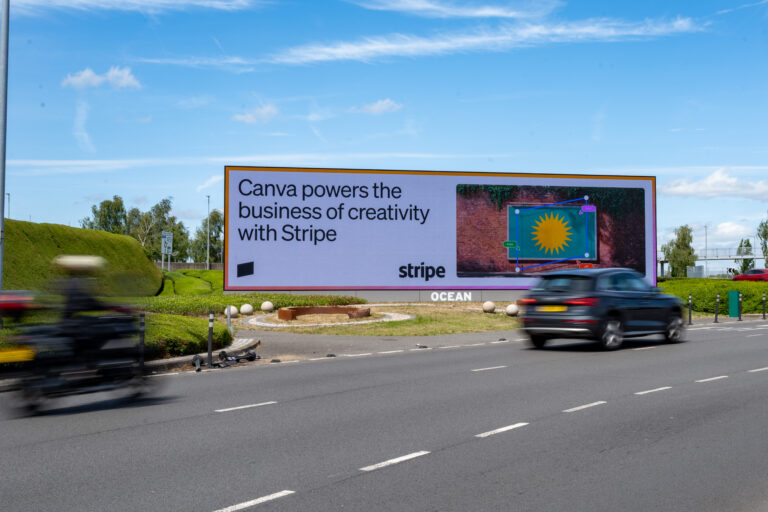
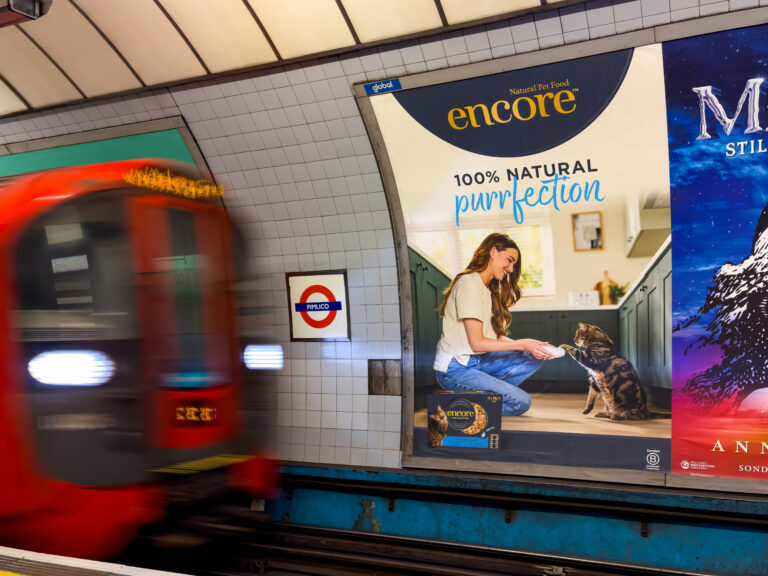
When someone sees an outdoor ad, they rarely stop what they’re doing and type a web address into their phone.
Instead, they do what almost all of us do: they Google the brand later.
Whether it’s on the train home, while watching TV that evening or the next time they’re thinking about buying that product or service, search has become the bridge between offline advertising and online action.
This is why branded search is one of the most valuable indicators of a successful out-of-home (OOH) advertising campaign. While OOH doesn’t generate clicks in the same way as paid search or social media, it creates awareness that often results in more people actively searching for your business.
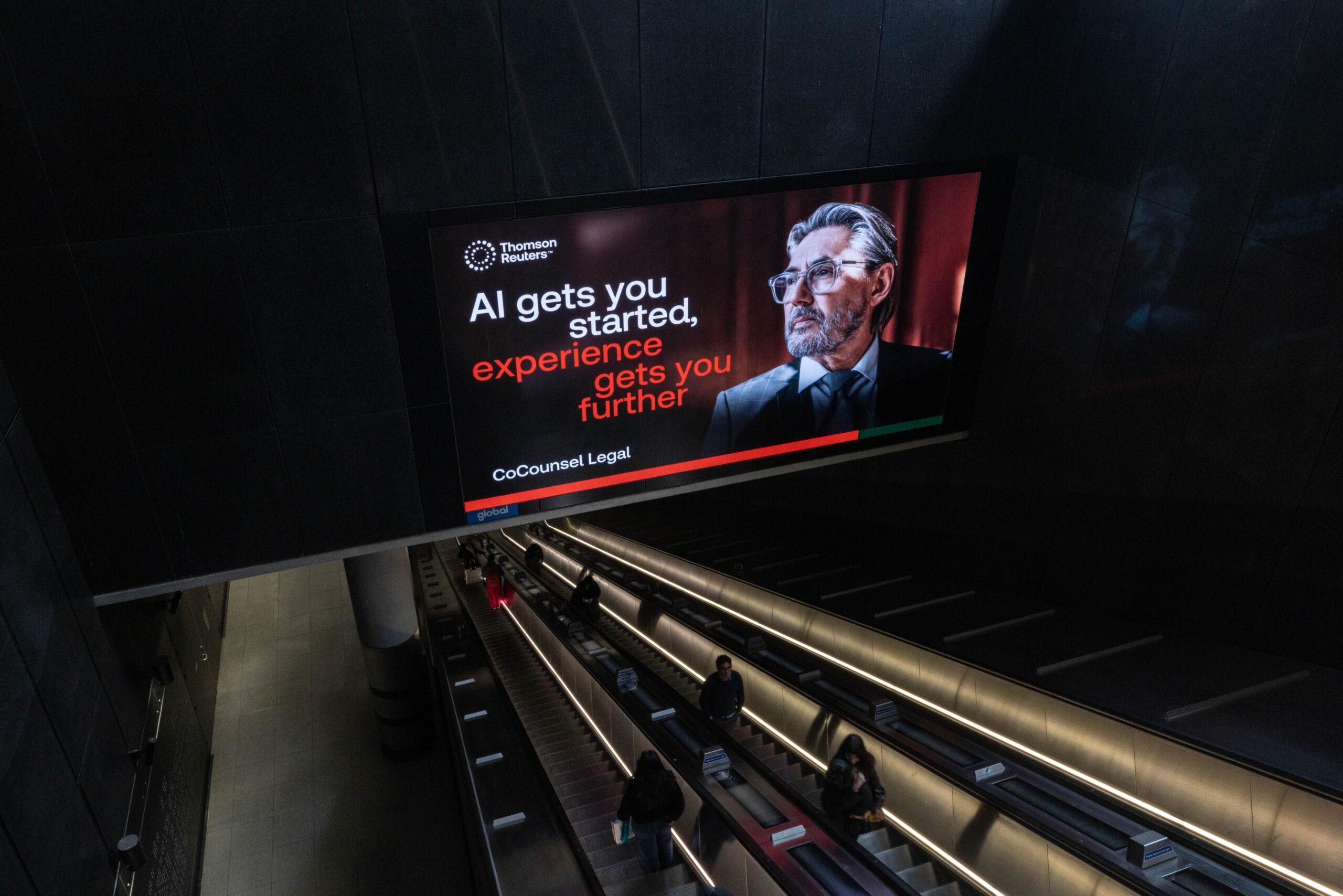
What is branded search?
Branded search is exactly what it sounds like: someone searching specifically for your company or product.
For example:
- Gymshark
- Monzo
- Apple
- McDonald’s
This differs from generic searches such as:
- Business bank account
- Protein powder
- Running shoes
- Coffee near me
Someone searching for your brand already knows you exist. Your job as a marketer is often to create that awareness in the first place.
That’s where OOH comes in.
Across the campaigns we plan at Excite OOH, one of the most common trends we see after launch is an increase in branded search activity alongside more direct website visits.
While every campaign is different, it’s a strong indication that outdoor advertising is generating awareness and prompting people to actively seek out the brand online.
Why OOH naturally leads to Google searches
Imagine you’re travelling through Waterloo Station and notice a digital billboard for Monzo.
You’re rushing to catch your train, so you don’t stop to download the app there and then.
Later that evening, while you’re sat on the sofa, you remember the advert and search “Monzo” on Google.
That simple journey—from seeing an advert offline to searching online—is exactly why branded search is such an important metric for outdoor advertising.
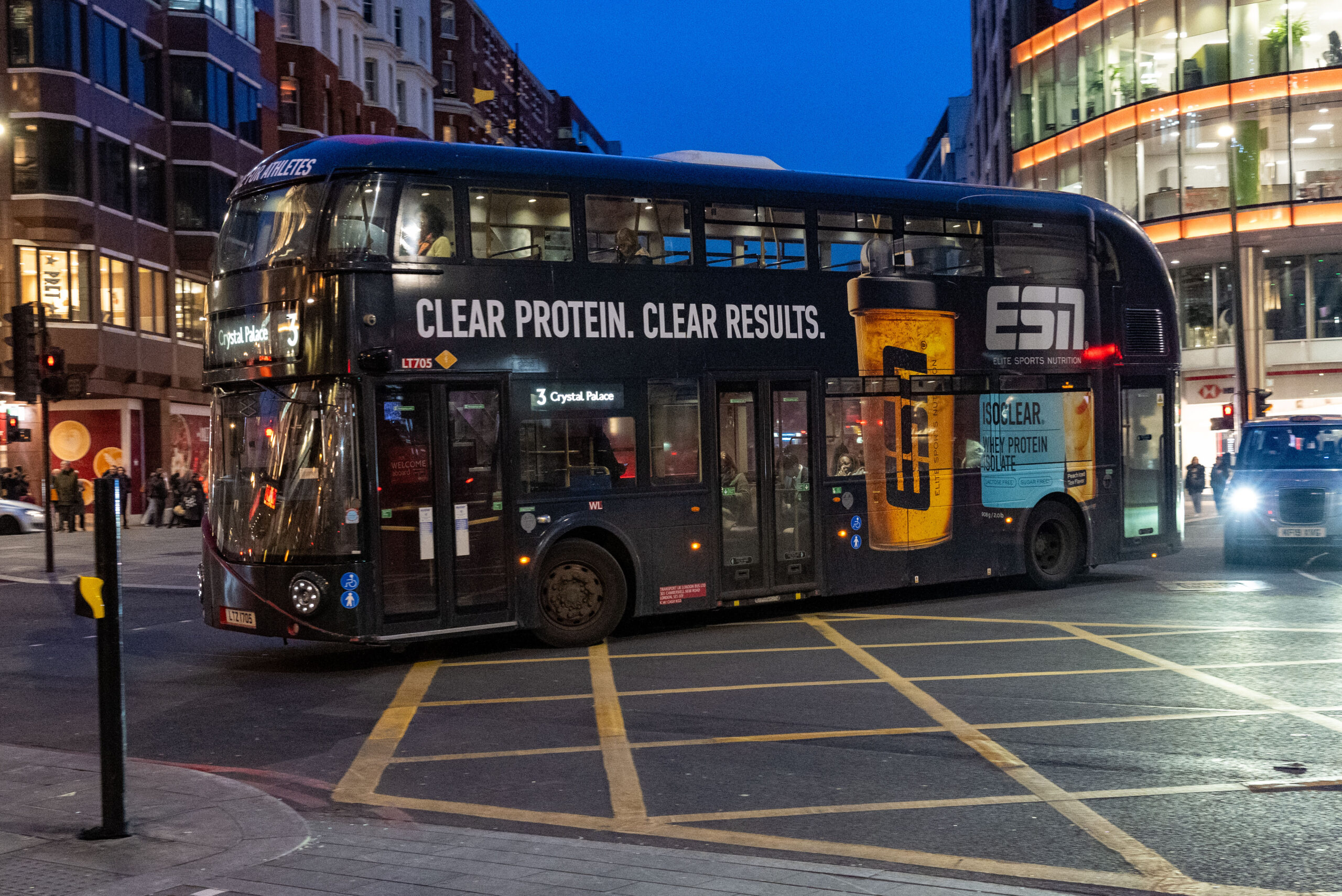
OOH creates demand. Search captures it.
Search marketing is excellent at capturing existing demand.
If someone searches “outdoor advertising agency”, they’re already looking for a solution.
OOH works differently.
It introduces your brand to people who may not have been actively searching at all.
After seeing your campaign repeatedly, they become curious.
That curiosity often turns into a branded Google search.
This is one of the reasons outdoor advertising works so well alongside digital marketing rather than replacing it.
Google has long recognised that people use Search alongside other media. Consumers regularly turn to Google after seeing brands elsewhere, whether that’s on TV, social media or outdoor advertising. Rather than existing in isolation, Search often acts as the next step in the customer journey.
Why people search instead of typing your website
Years ago, advertisers encouraged people to visit a website directly.
Today, most consumers simply search.
It’s quicker.
It’s easier.
And it’s become second nature.
Even if your billboard includes a web address, many people will still Google your company name instead.
That’s why a rise in branded search volume is often a stronger indicator of campaign success than direct traffic alone.
Repetition builds memory
One advert rarely changes behaviour.
Seeing the same brand several times over a week or two is much more powerful.
This is where OOH has a real advantage.
Whether it’s commuters passing the same digital screen every morning or drivers seeing a roadside billboard on their daily journey, repeated exposure helps build familiarity.
When someone eventually needs your product or service, they’re far more likely to search for the brand they recognise.
Marketing experts often refer to this as mental availability, making your brand easier to remember when the buying moment arrives.
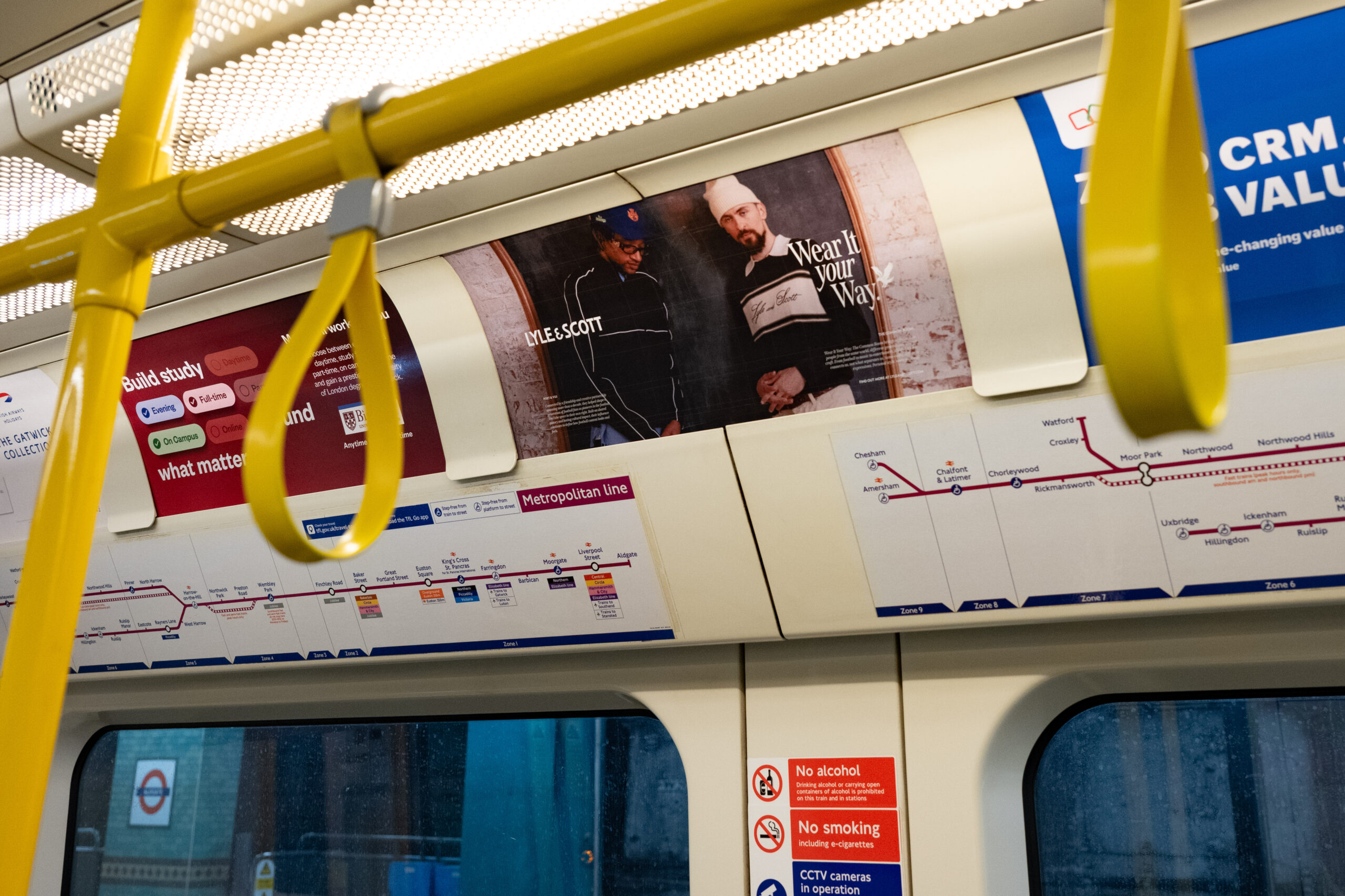
How to measure the impact
While no single metric tells the whole story, branded search is one of the easiest ways to understand whether an OOH campaign is generating interest.
Some of the most common methods include:
Google Search Console
Monitor whether searches for your brand increase during and after your campaign.
Google Trends
For larger brands or major campaigns, Google Trends can show changes in search interest over time.
Google Analytics 4
Look for increases in:
- Organic traffic
- Direct traffic
- Returning users
- Assisted conversions
There are many ways to measure campaign success.
Search volume tools
Platforms such as Semrush or Ahrefs can help track changes in estimated branded search demand over longer periods.
The key is to compare performance before, during and after your campaign rather than looking at a single day’s data.
Our view: One of the biggest mistakes we see is judging an OOH campaign purely on clicks. Outdoor advertising is often the channel that creates demand, while Search, SEO and paid media capture it. Looking at branded search alongside enquiries and website traffic usually gives a much more accurate picture of campaign performance.
A simple example
Imagine a fintech launches a four-week campaign across London Underground stations.
The creative focuses on brand awareness rather than pushing people to click or buy immediately.
During the campaign they notice:
- Branded Google searches increase.
- Direct website traffic rises.
- More people click their branded Google Ads.
- Organic conversions improve.
No single visitor can be traced back to an individual billboard, but together these signals provide a strong indication that the campaign has increased awareness and intent.
This is how many successful OOH campaigns are evaluated.
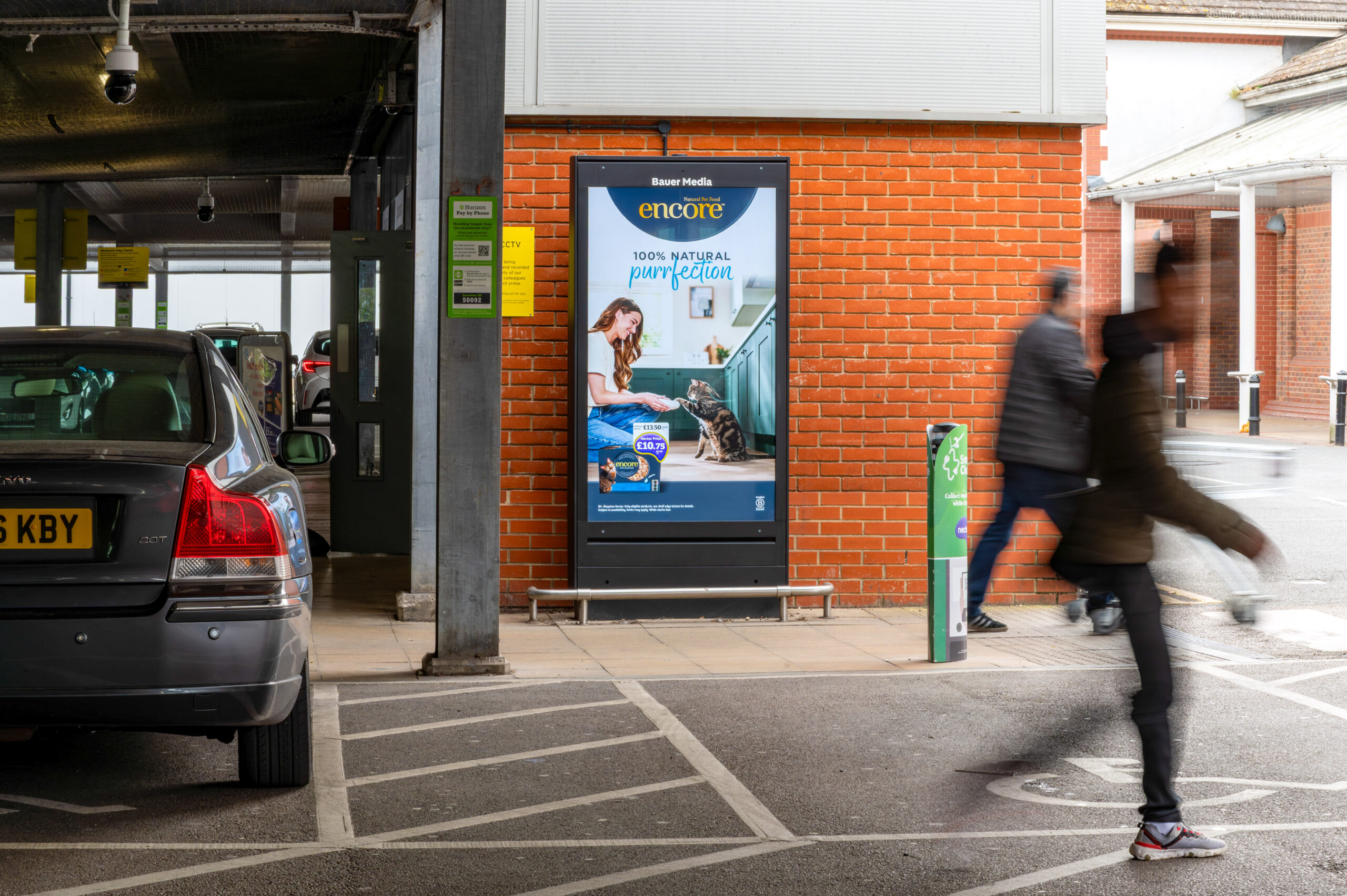
OOH makes your digital marketing work harder
One of the biggest misconceptions about outdoor advertising is that it competes with digital marketing.
In reality, they work best together.
Someone might:
- See your advert on their morning commute.
- Search for your brand that evening.
- Click a paid search advert.
- Return a few days later via organic search.
- Convert after reading reviews.
Without the billboard, that search may never have happened.
OOH creates the opportunity. Digital channels help capture it.
Don’t judge OOH by click-through rates
One of the biggest mistakes businesses make is expecting outdoor advertising to behave like PPC or paid social.
It isn’t designed to generate instant clicks.
It’s designed to build awareness, credibility and consideration.
The result is often seen elsewhere in your marketing:
- More branded searches.
- Higher website traffic.
- Better-performing Google Ads.
- Increased direct visits.
- More enquiries.
- Stronger sales over time.
When you look at your marketing as a whole rather than judging each channel in isolation, the impact of OOH becomes much clearer.
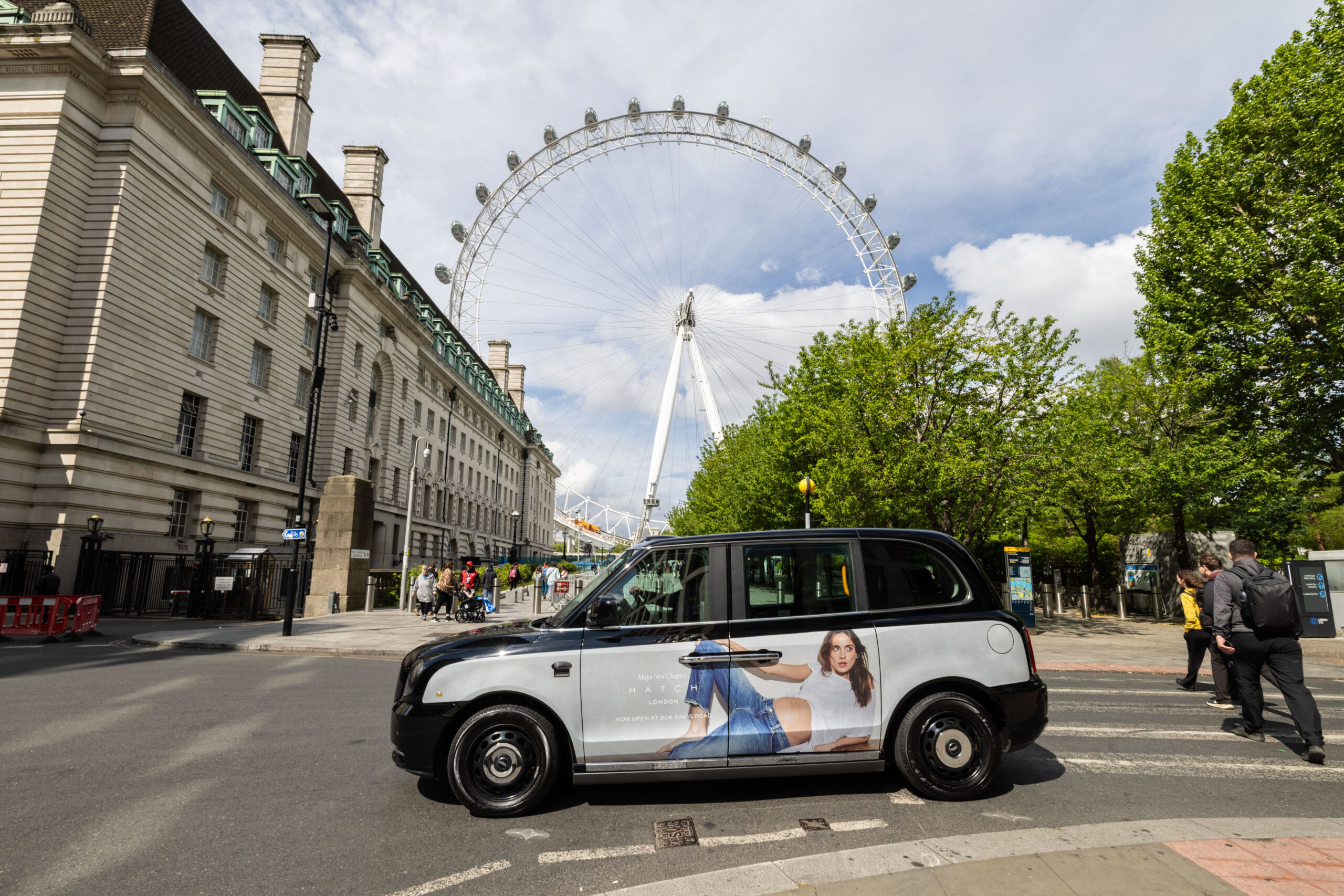
Final thoughts
Not every customer who sees your advert will buy immediately.
Many won’t visit your website that day.
But plenty will remember your brand, search for it later and begin their buying journey online.
That’s why branded search has become one of the clearest indicators that an outdoor advertising campaign is working.
The next time you launch an OOH campaign, don’t just look for clicks.
Look for conversations.
Look for curiosity.
And most importantly, look for an increase in people actively searching for your brand.
Whether you’re considering tube advertising, billboards, airport advertising or bus advertising, measuring branded search alongside your wider marketing performance can provide valuable insight into campaign effectiveness.
Frequently Asked Questions
Yes. One of the most common responses to seeing an outdoor advert is for people to search the brand on Google later, rather than visiting the website immediately.
Branded search volume, website traffic, direct visits, enquiries and sales are all useful indicators. Looking at these together provides a much clearer picture than relying on one metric alone.
Absolutely. An increase in branded searches often indicates that more people are aware of your business and actively seeking you out after seeing your campaign.
Yes. Outdoor advertising builds awareness, while channels such as Google Ads, SEO and social media help capture demand and convert interested customers into enquiries or sales.
Not directly. Google doesn’t rank websites higher because they advertise on billboards. However, successful OOH campaigns can increase branded searches, direct traffic and brand awareness, all of which can indirectly support your wider digital marketing performance.