Introduction: What Makes a Great OOH Campaign?
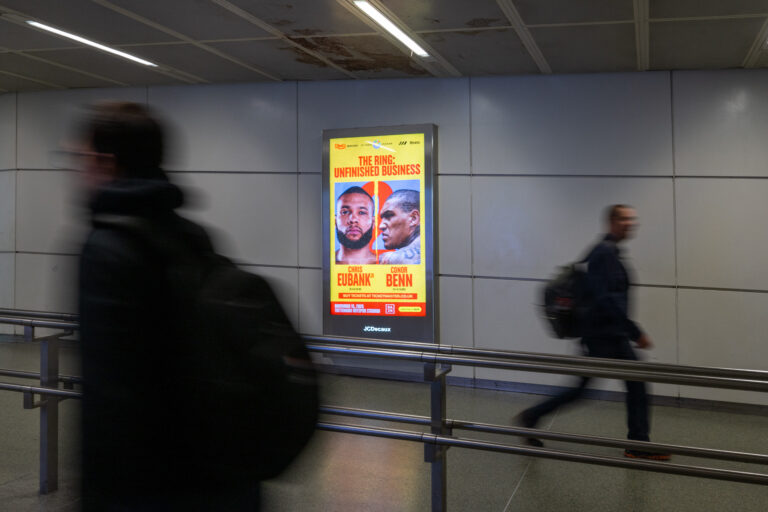
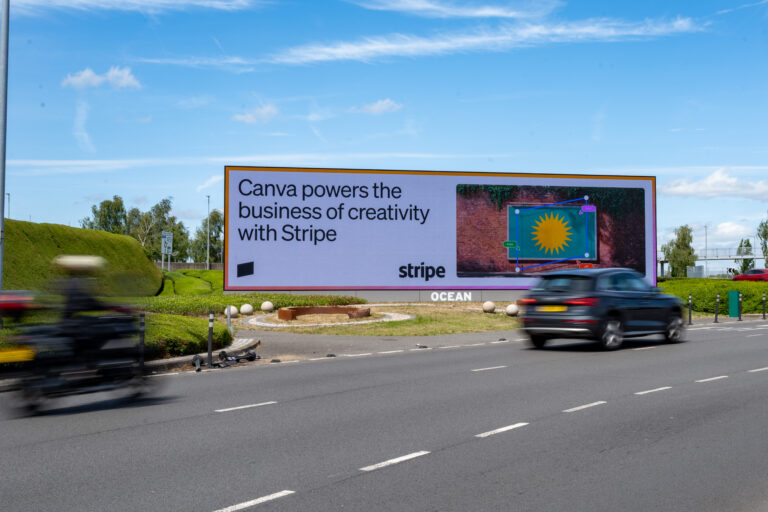
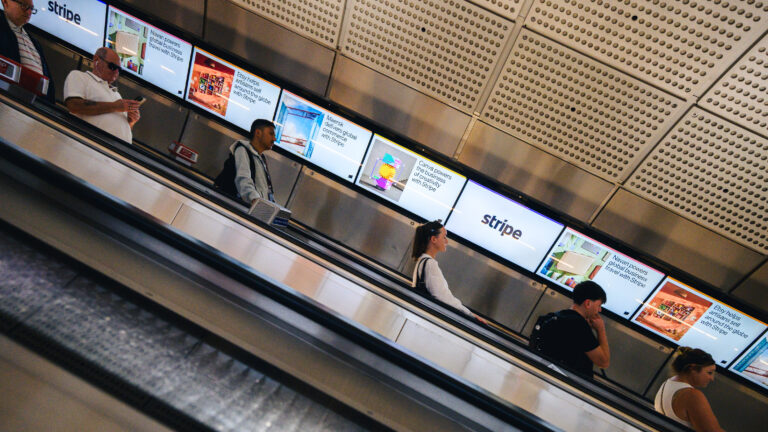
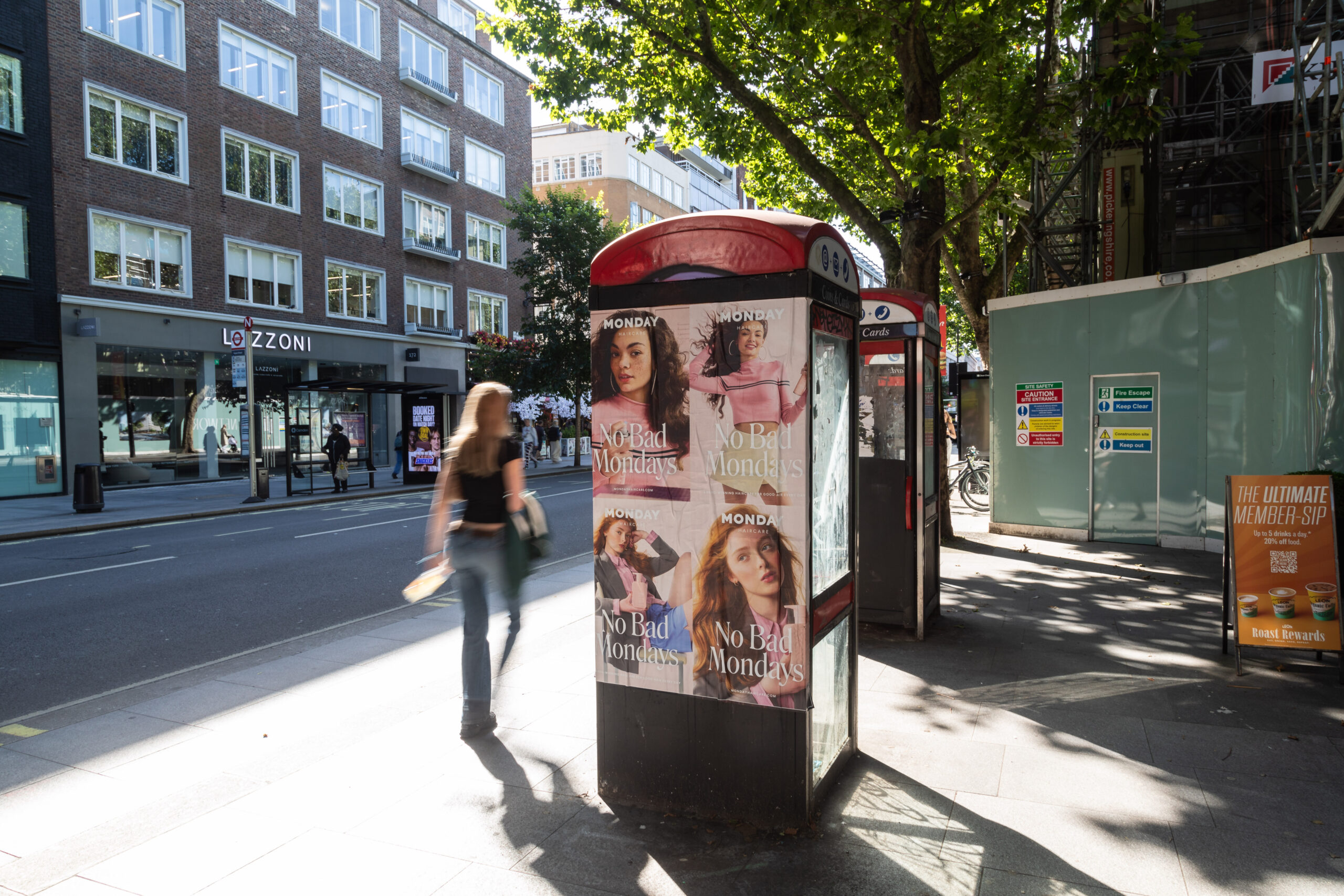
Out-of-home advertising remains one of the most powerful ways to build brand awareness and reach audiences at scale. From billboards and buses to transit advertising and street furniture, OOH campaigns can deliver high visibility and lasting impact.
But successful campaigns rarely happen by accident.
The best OOH campaigns are built around a clear strategy that considers:
- Visibility in the right locations
- High audience reach and frequency
- Strong creative impact
- Relevance to the target audience
- Potential for shareability or virality
Whether you’re launching a new product, driving brand awareness or supporting retail activity, planning your campaign properly is essential.
In this guide, we’ll explain how to plan and buy out-of-home advertising step by step.
Step 1: Start with a Clear Brief
Every successful OOH campaign begins with a clear and detailed brief.
Your brief helps your media agency understand exactly what you’re trying to achieve and how the campaign should perform.
Important elements of an OOH brief often include:
- Campaign objectives
- Target audience
- Geographic locations
- Budget range
- Campaign timing
- Key messages or creative themes
The more information you can provide, the better. Even details that might seem minor can influence how a campaign is planned.
For example, if you are launching a product that will be stocked in specific retail locations, proximity to those stores may become an important part of the strategy.
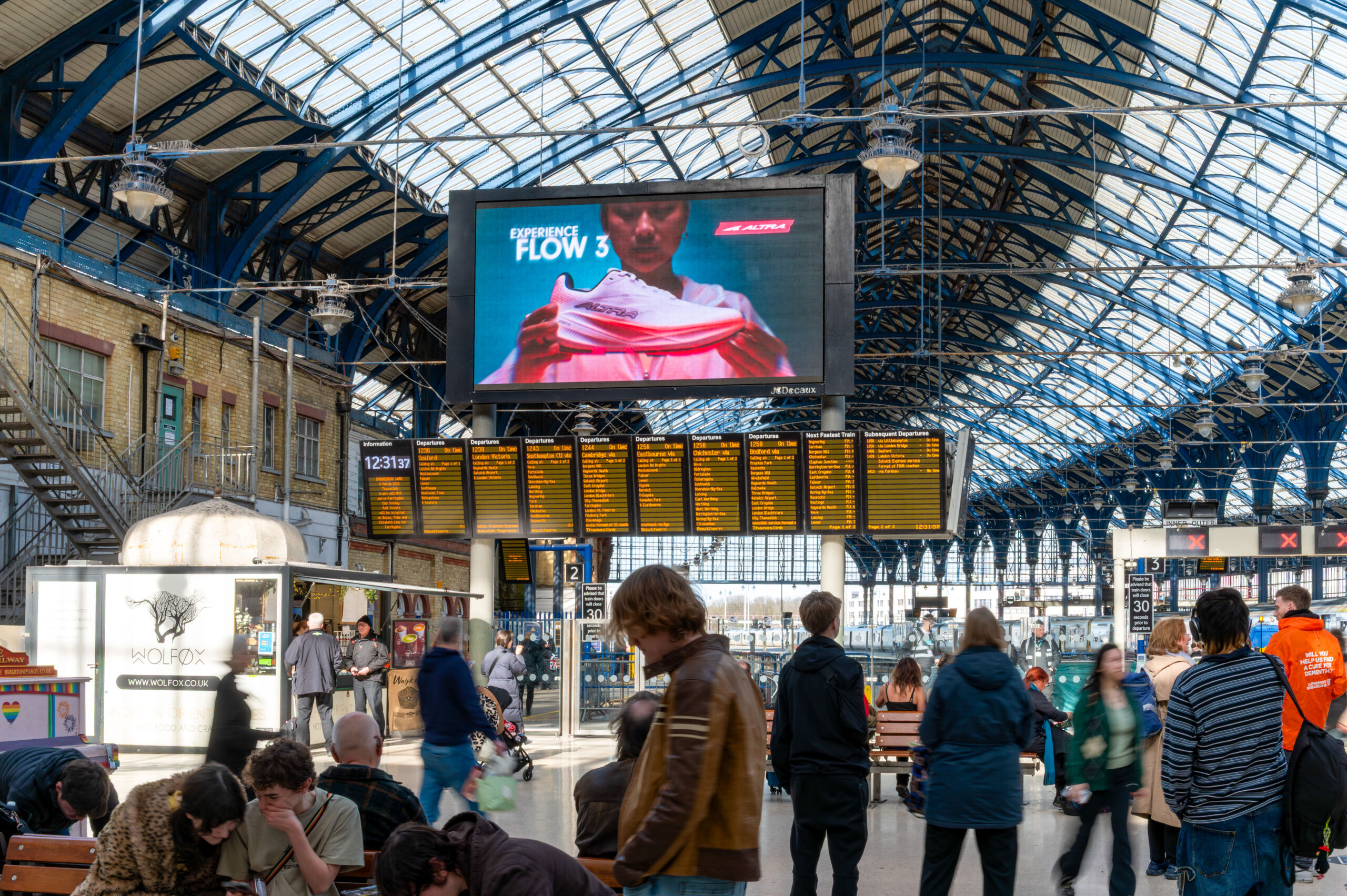
Step 2: Understand the Audience
Once the brief is established, the next step is to understand the target audience in detail.
Media planners will analyse audience data to answer questions such as:
- Where does the target audience live?
- How do they commute?
- Which areas do they visit frequently?
- What locations offer the highest exposure?
Understanding how audiences move through cities and transport networks helps identify where advertising will have the greatest impact.
For example, a commuter audience might be best reached through rail, roadside or transport formats, while younger audiences may be better reached through high-footfall city centre locations.
As an IPA member agency, we also have access to industry research and insights through the Institute of Practitioners in Advertising. These insights help inform how audiences interact with different media channels and how out-of-home advertising fits within broader marketing strategies.
Combining audience movement data with wider industry insights helps ensure campaigns are planned to reach the right people in the right environments.
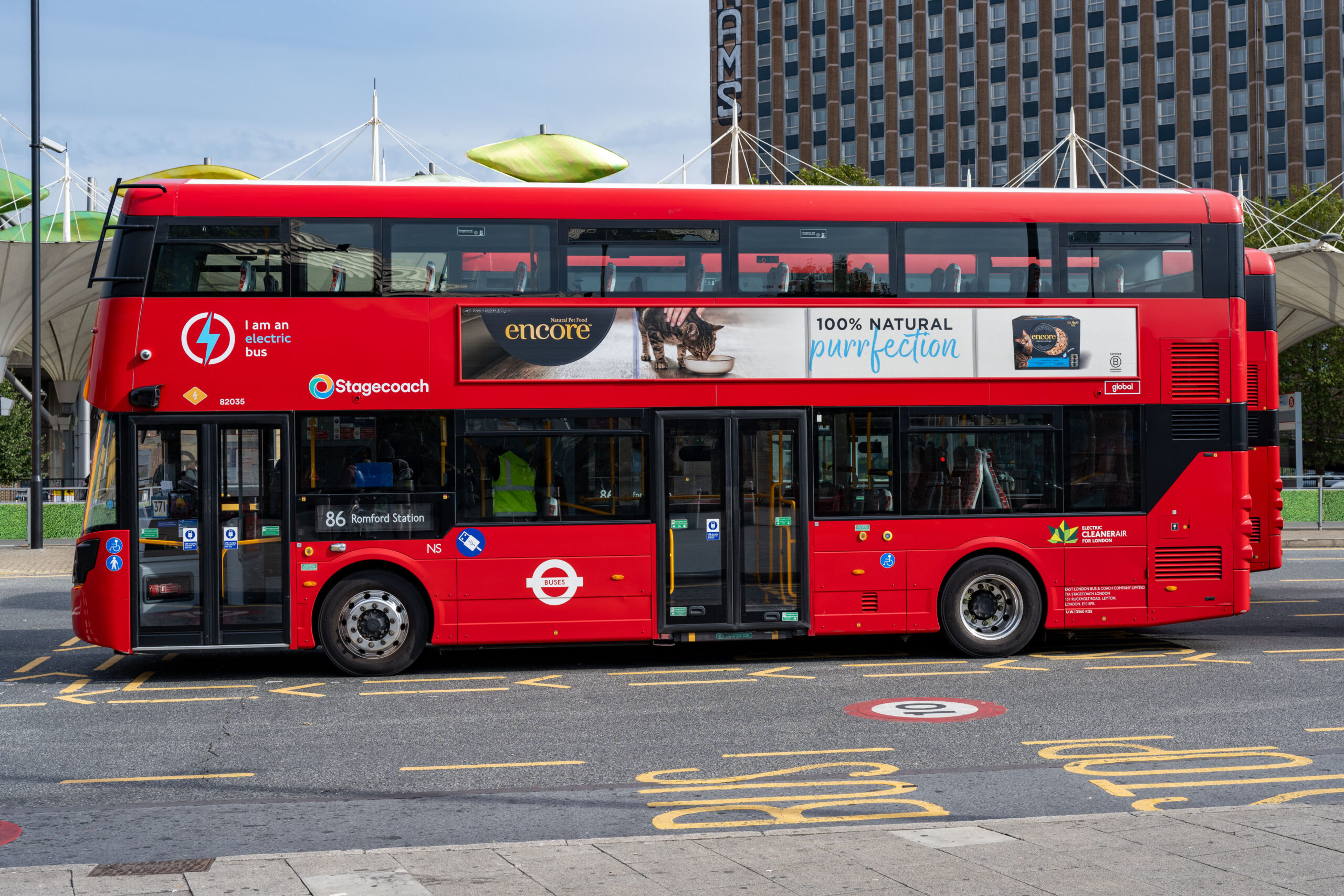
Step 3: Develop the Campaign Strategy
Once the audience insights are clear, the campaign strategy can begin to take shape.
This stage focuses on deciding:
- Which formats to use
- Which locations will deliver the strongest results
- How the budget should be allocated
Different strategies may apply depending on campaign goals.
Retail-Focused Campaigns
If the goal is to drive customers to stores, proximity can be critical.
Media planners may map store locations and look for OOH sites within a defined radius, such as 500 metres of each location. This ensures the campaign reaches consumers close to the point of purchase.
Brand Awareness Campaigns
For awareness campaigns, the focus may shift towards high-impact formats that deliver large audience reach.
Large billboards, digital roadside screens and premium city centre placements often deliver strong visibility and high impact.
Route data and audience measurement tools can help identify which sites deliver the greatest number of impressions among the target audience.
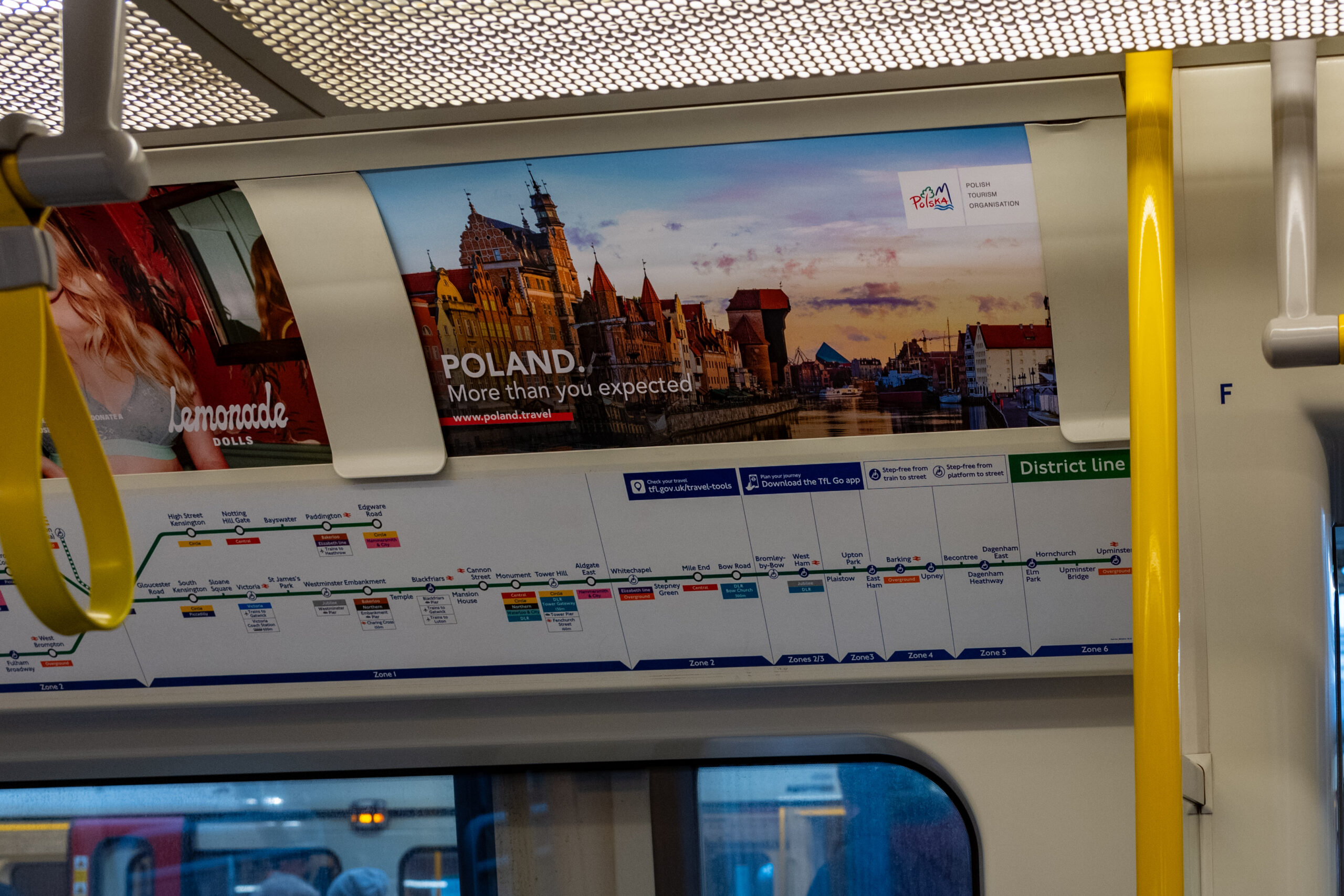
Step 4: Build the Media Plan
Once the strategy is defined, the next step is to create a detailed media plan.
A media plan typically includes:
- Recommended advertising formats
- Exact site locations
- Audience reach and impression estimates
- Campaign duration
- Pricing and budget breakdown
Many agencies will also include supporting visuals such as:
- Site photography or mock-ups
- Interactive maps showing locations
- Audience data insights
- Strategic rationale for each placement
This gives clients a clear understanding of how the campaign will work and why specific locations have been recommended.
At this stage, the client can review the plan, provide feedback and approve the final proposal.
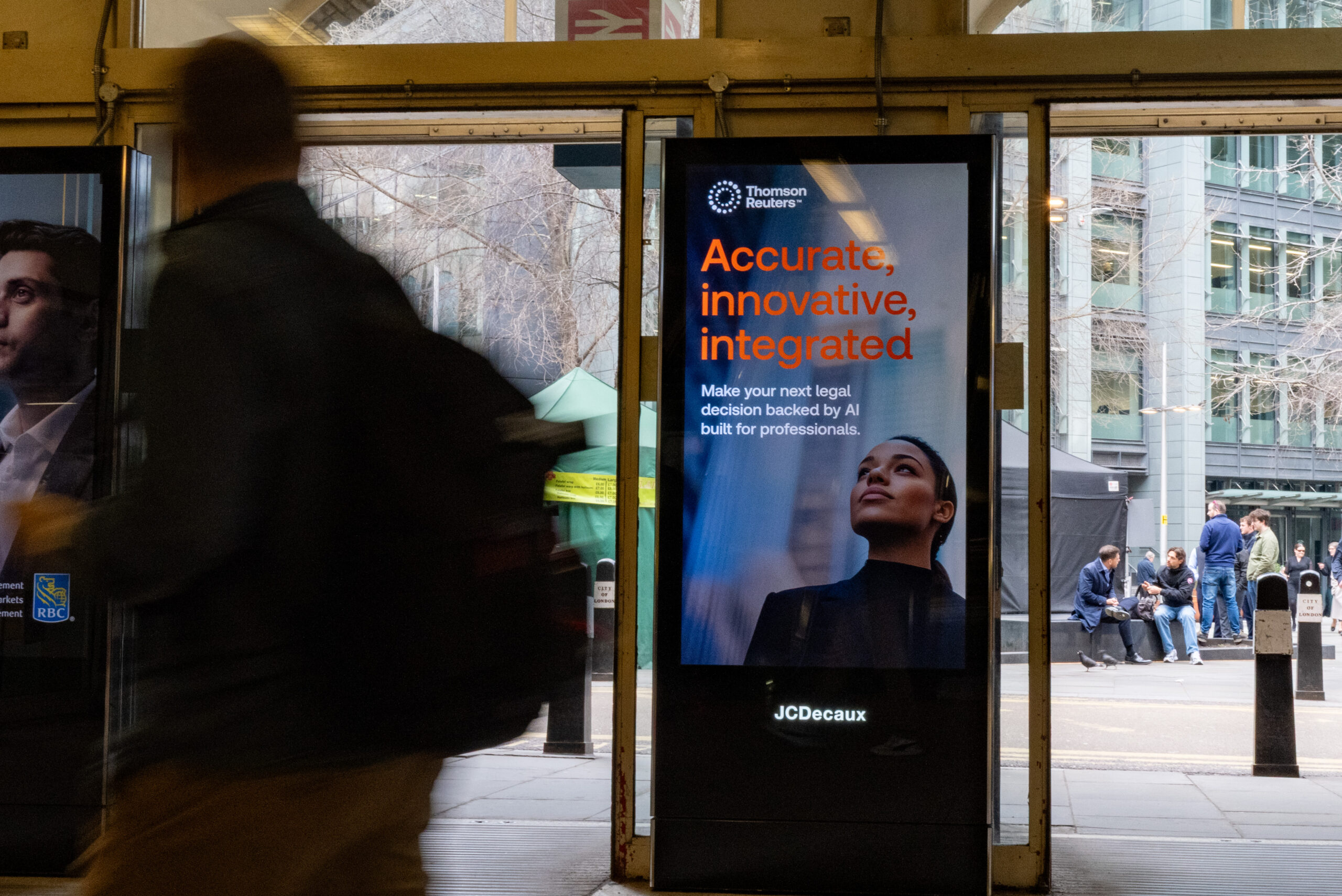
Step 5: Secure and Book the Media
Once the media plan has been approved, the agency will begin securing the selected sites with media owners.
Availability can change quickly, particularly for premium billboard locations, so this stage is important to ensure the agreed placements are secured for the campaign dates.
At this point the client will also submit final artwork for the campaign.
In some cases, artwork proofs will be produced to confirm how the creative will appear on each format before it goes live.
Step 6: Campaign Launch and Monitoring
When the campaign launches, the media owner installs the artwork across the booked sites.
Once live, agencies will typically:
- Confirm all sites have been posted correctly
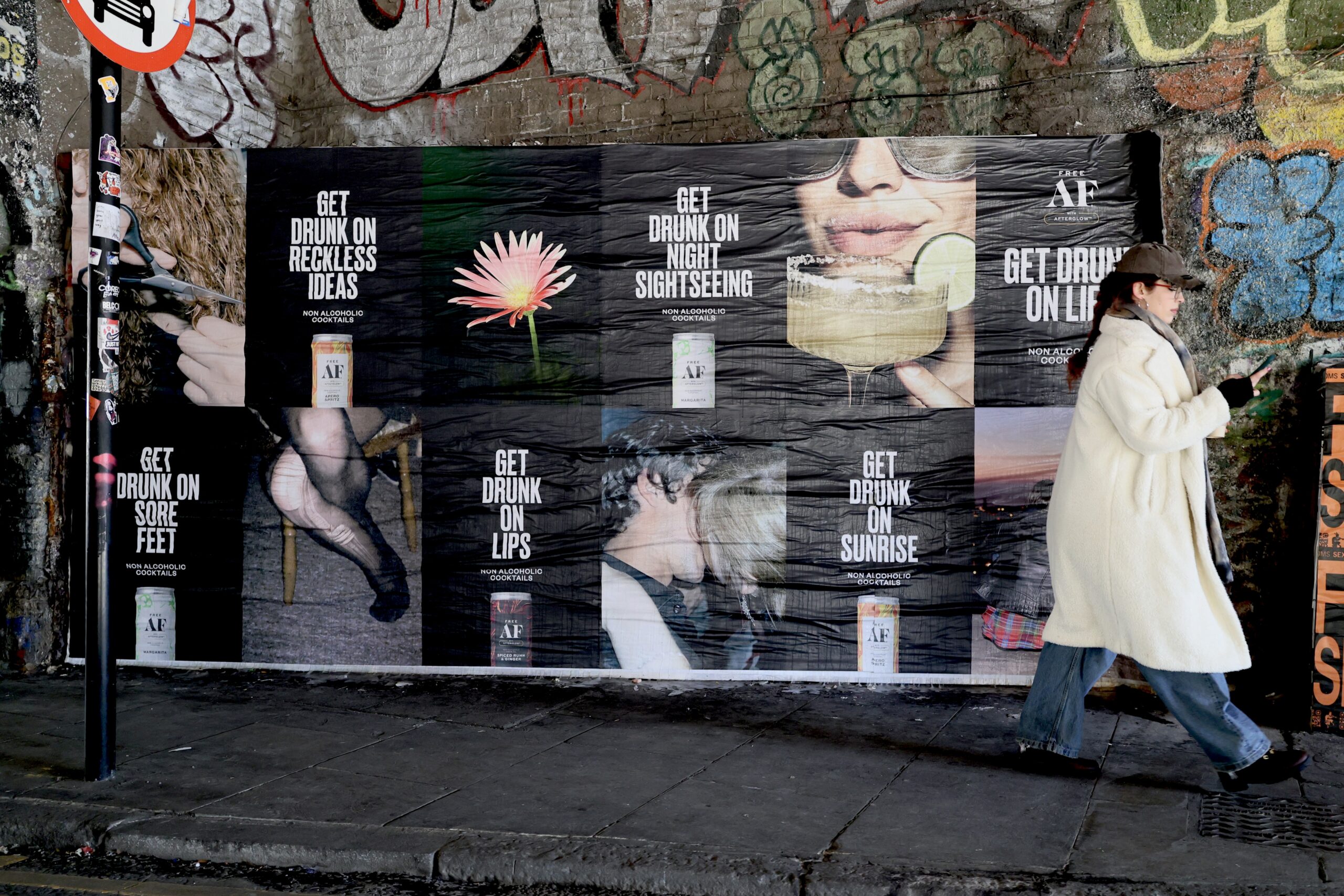
- Capture professional campaign photography
- Monitor the campaign during its run
- Provide updates to the client where needed
Photographs of live sites are particularly useful for internal reporting and sharing the campaign across marketing channels.
Step 7: Post-Campaign Reporting
After the campaign finishes, a post-campaign report is usually prepared.
This helps evaluate how the campaign performed and provides insights for future activity.
Reports may include:
- Total impressions delivered
- Audience reach and frequency
- Campaign photography
- Key insights and learnings
- Recommendations for future campaigns
Understanding what worked well can help refine future OOH strategies and improve performance over time.
Final Thoughts
Planning and buying out-of-home advertising involves much more than simply booking billboard space.
A successful campaign requires:
- A clear brief
- Audience insight
- Strategic media planning
- Careful site selection
- Ongoing campaign management
When these elements come together, OOH advertising can deliver exceptional visibility and brand impact.