Introduction
Performance marketing has never been more advanced, or more constrained.
Rising CPMs, weaker attribution, and diminishing returns on paid social are exposing a hard truth: optimisation alone doesn’t create demand. Performance channels can only scale when there’s demand to capture.
This is where Out of Home (OOH) advertising earns its place in the performance stack.
OOH isn’t a brand-only channel and it doesn’t sit neatly “above the funnel”. When planned and measured properly, it acts as a demand accelerator — lifting brand search, improving click-through rates, reducing cost-per-click, and increasing conversion efficiency across digital channels.
People don’t click billboards. They remember them.
After seeing a billboard, bus, or digital OOH ad, the next action usually happens later and elsewhere, most often on Google. People search for the brand, the product, or the message they’ve seen, feeding directly into paid search, paid social, SEO, and direct traffic, even if attribution models fail to give OOH the credit.
This article breaks down how OOH drives performance outcomes, why it makes digital channels work harder, and how brands can measure its impact using practical, performance-led frameworks rather than vanity metrics.
This isn’t about shifting budget away from digital, it’s about making existing performance spend work harder.
What actually happens after someone sees an OOH ad
Out of Home advertising doesn’t generate clicks in the moment. It generates intent.
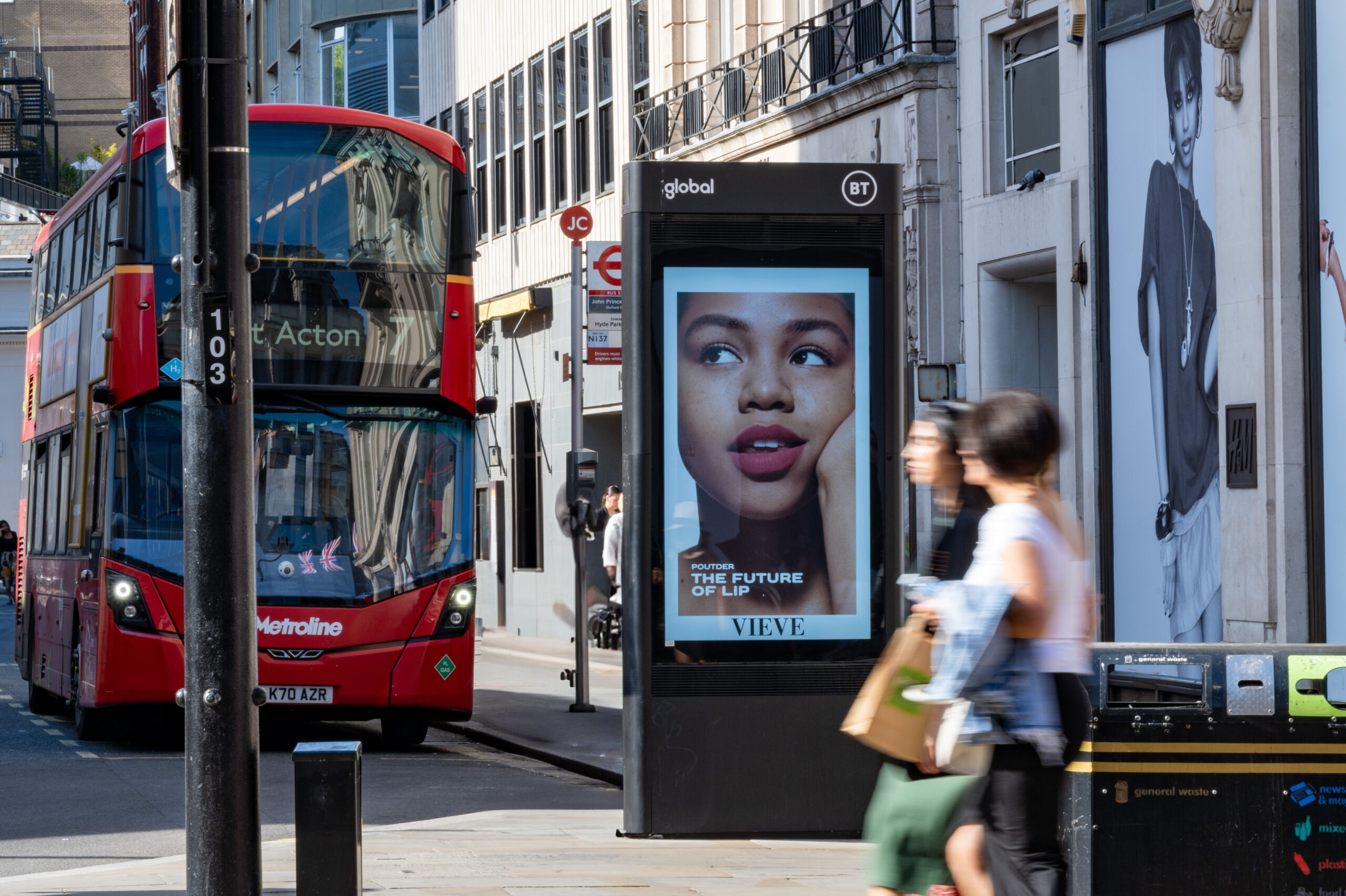
When someone sees a billboard, bus ad, or digital OOH placement, they’re rarely in a position to act immediately. They might be commuting, walking, shopping, or driving. But the message lands, and it sticks.
The action comes later.
In practice, the most common next step after OOH exposure isn’t a direct conversion — it’s a search. People reach for their phone hours or days later and look up what they’ve seen in the real world.
That behaviour usually takes one of a few predictable forms:
- Searching the brand name on Google
- Searching the product or service category alongside the brand
- Looking up reviews, pricing, or availability
- Visiting the website directly
- Searching for the brand on social platforms or app stores
From a performance perspective, this matters because OOH creates the demand that digital channels capture.
Google Ads, paid social, and SEO don’t just respond to user intent — they benefit from it. When a brand has been seen in the physical world, subsequent digital interactions feel familiar and credible. Users are more likely to click, more likely to trust what they see, and more likely to convert.
This is why OOH often drives a measurable increase in brand search volume, direct traffic, and conversion efficiency, even when last-click attribution fails to reflect its influence.
OOH doesn’t interrupt performance marketing journeys.
It starts them.
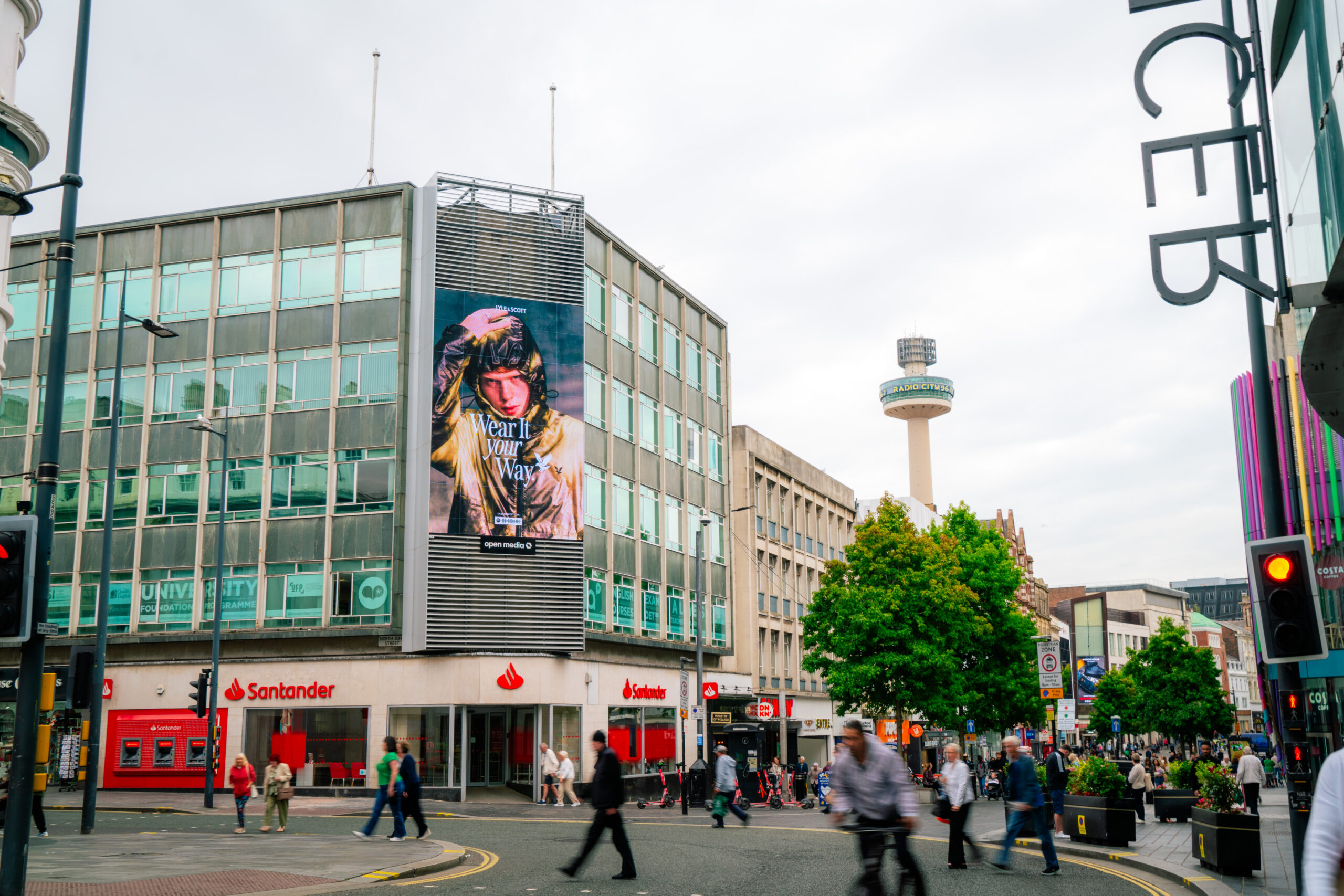
OOH builds the conditions that performance channels need to convert
Mental availability and performance efficiency
This is where OOH stops being a “brand” channel and starts improving measurable performance metrics.
Performance marketing doesn’t operate in isolation. Clicks convert more efficiently when people already recognise and trust the brand behind the ad.
This is where Out of Home advertising plays a critical role. OOH builds three conditions that performance channels rely on to deliver results at scale:
- Awareness – people know who the brand is before encountering a digital ad
- Trust – repeated real-world exposure creates legitimacy and confidence
- Mental availability – the brand comes to mind naturally in buying situations
From a performance perspective, this matters because familiarity reduces friction. When users recognise a brand, they are more likely to click, more likely to trust the landing page, and more likely to convert. The result is higher click-through rates, lower cost-per-clicks, and stronger conversion rates across paid channels.
This idea of mental availability, the likelihood of a brand coming to mind in a buying situation, is well established in marketing effectiveness research. Work by the IPA, including research by Les Binet and Peter Field, consistently shows that brands which build strong memory structures outperform those that rely solely on short-term activation. Brands that are remembered simply convert more efficiently.
Out of Home advertising is particularly effective at building mental availability because it operates in the physical world, delivers repeated exposure at scale, and reaches people outside of algorithmic targeting loops. Unlike many digital impressions, OOH exposures are unskippable, highly viewable, and embedded in daily routines.
Crucially, these effects don’t disappear when an OOH campaign ends. They carry forward into performance activity, influencing how users respond when they later encounter the brand through search, paid social, or retargeting.
OOH doesn’t just support performance marketing.
It improves the conditions that performance marketing depends on.
This behaviour becomes especially powerful when it feeds into paid search and demand capture channels.
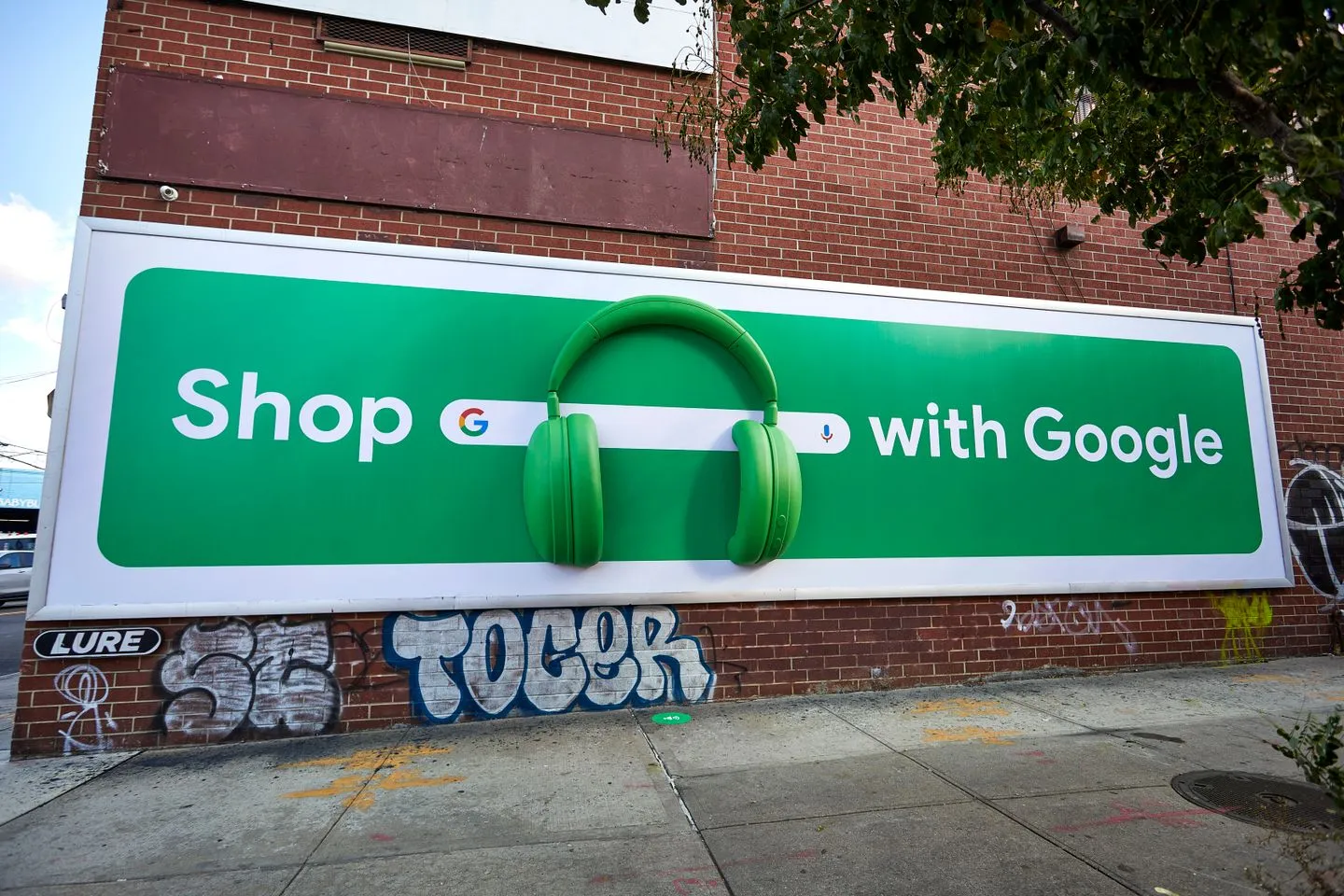
Why OOH is a growth lever for Google Ads and paid search
Search marketing is excellent at capturing intent, but it can’t create intent on its own.
OOH fills that gap.
When a brand runs OOH alongside paid search:
- Brand search volumes increase
- Generic search terms convert at higher rates
- Competitor conquesting becomes more effective
- Brand CPCs often fall due to stronger Quality Scores
OOH doesn’t “steal credit” from Google Ads.
It gives Google Ads something to convert.
For performance marketers struggling with stagnating search growth or rising CPAs, OOH often unlocks incremental demand that digital channels alone can’t generate.
OOH improves paid social efficiency, not just reach
Paid social performance has become increasingly volatile. CPMs rise, frequency caps tighten, and audiences burn out faster.
OOH helps counter this by warming audiences before they ever see a social ad.
When people recognise a brand from real-world exposure:
- Paid social ads feel more familiar and credible
- Creative performs better with lower frequency
- CTRs improve due to brand recognition
- Conversion rates increase because trust barriers are reduced
This effect is particularly strong for:
- Challenger brands
- New product launches
- Brands entering new regions or cities
- Categories where trust plays a major role in purchase decisions
OOH effectively reduces the “cold start” problem that many performance campaigns struggle with.
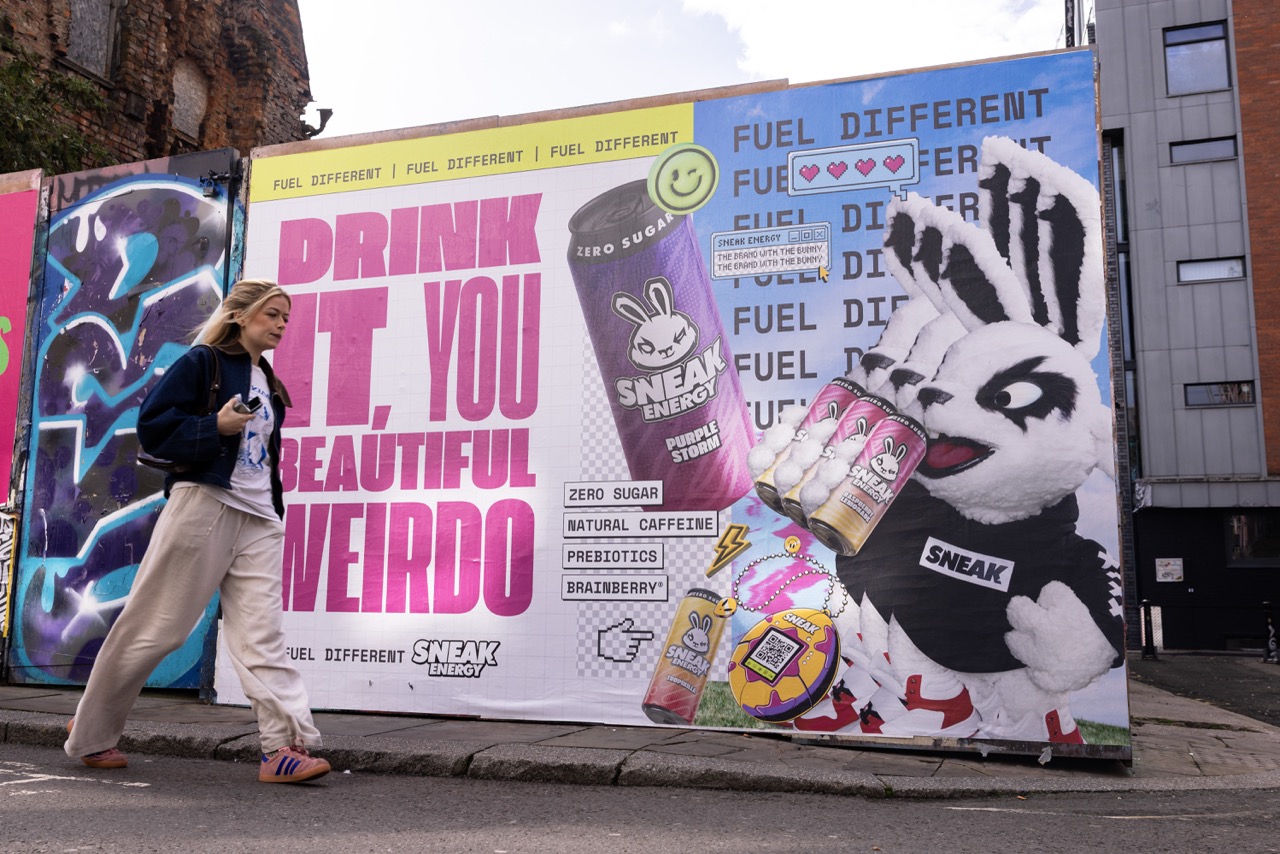
Incrementality: what OOH actually changes
One of the biggest challenges in performance marketing is proving incrementality, understanding what impact a channel has beyond what would have happened anyway.
OOH excels here because it:
- Reaches audiences that digital targeting can’t
- Operates outside of algorithmic feedback loops
- Influences behaviour over time rather than instant clicks
- Builds memory structures that affect future decisions
Instead of asking “Did someone click the ad?”, the better question becomes:
“What changed in the market because this OOH campaign existed?”
That change is often visible in:
- Search behaviour
- Conversion efficiency
- Brand consideration
- Footfall and physical behaviour
- Regional performance differences
How to measure OOH as a performance channel
This is how performance teams can actually prove the impact of OOH without relying on flawed last-click attribution.
OOH measurement doesn’t need to be vague or hand-wavy. In fact, one of the smartest ways to assess its performance impact is surprisingly practical.
A simple regional test approach
- Run an OOH campaign in a clearly defined region or city
- Keep other marketing variables as consistent as possible
- Monitor performance marketing metrics specifically in that region
If your paid search or paid social campaigns can be segmented by geography, the results become far easier to isolate and analyse.
Metrics to track alongside OOH
Key indicators to watch include:
- Brand search volume uplift (via Google Trends or Search Console)
- Changes in PPC CTRs and CPCs in exposed regions
- Conversion rate improvements post-launch
- Increases in direct traffic
- Improvements in paid social engagement metrics
- Footfall or store visit uplift where applicable
This regional comparison approach allows brands to demonstrate incremental lift, rather than relying solely on attribution models that weren’t designed for offline media.
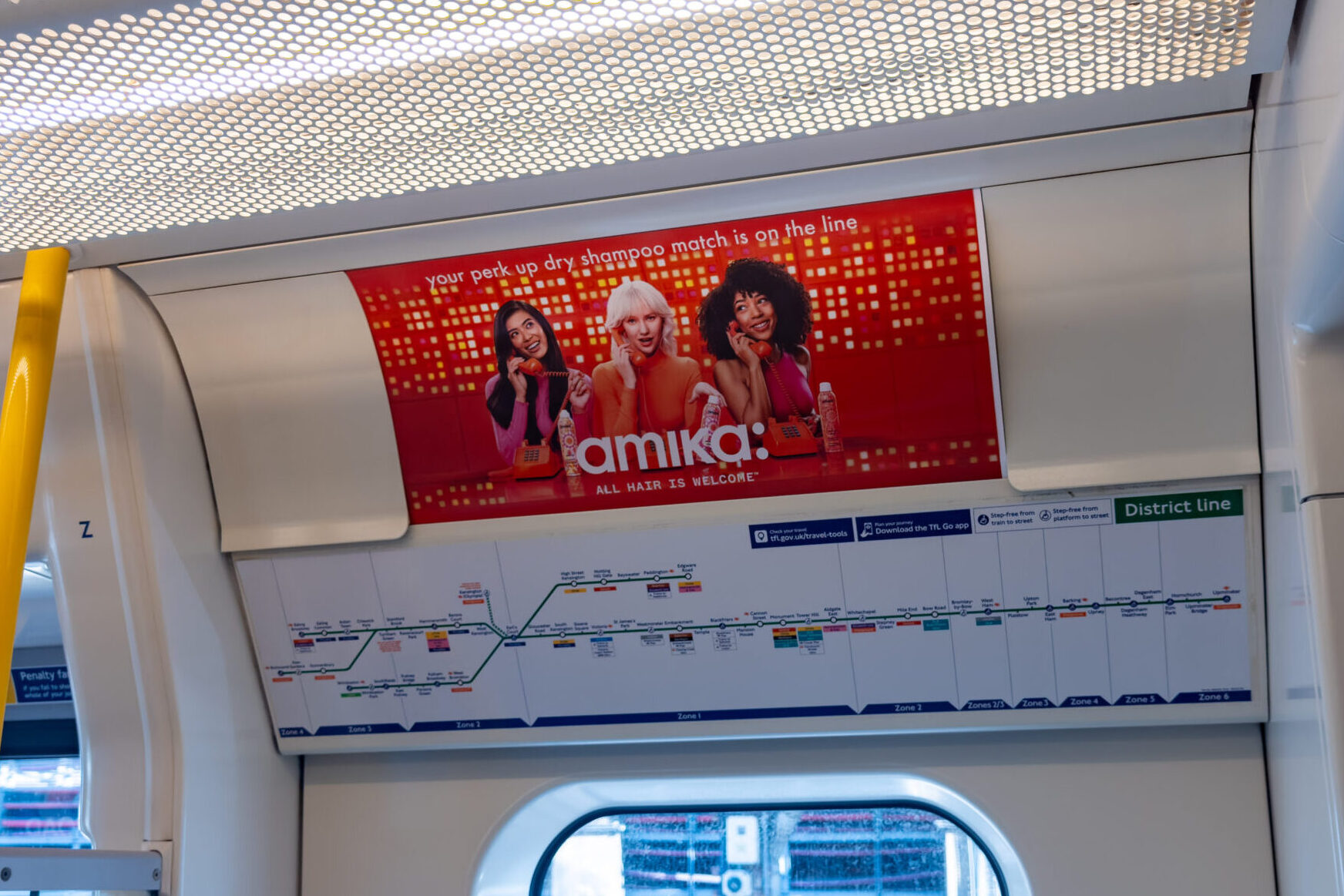
When OOH is most effective for performance marketing
While OOH can support performance at almost any stage, it tends to deliver the strongest impact in specific scenarios:
- Market entry into new cities or countries
- Product or service launches
- Retail-led or location-based businesses
- Brands facing saturation in paid social or search
- Categories with longer consideration cycles
In these situations, OOH acts as a catalyst, accelerating awareness, trust, and demand so performance channels can scale more efficiently.
The modern performance stack includes OOH
The idea that brands must choose between “brand” and “performance” is outdated.
The most effective strategies today combine:
- OOH to create demand and mental availability
- Search and paid social to capture and convert that demand
- Measurement frameworks focused on incrementality, not just clicks
OOH isn’t a brand tax.
It’s a performance multiplier.
Brands that understand this don’t separate brand and performance into silos.
They use OOH as the layer that makes every other channel work harder.
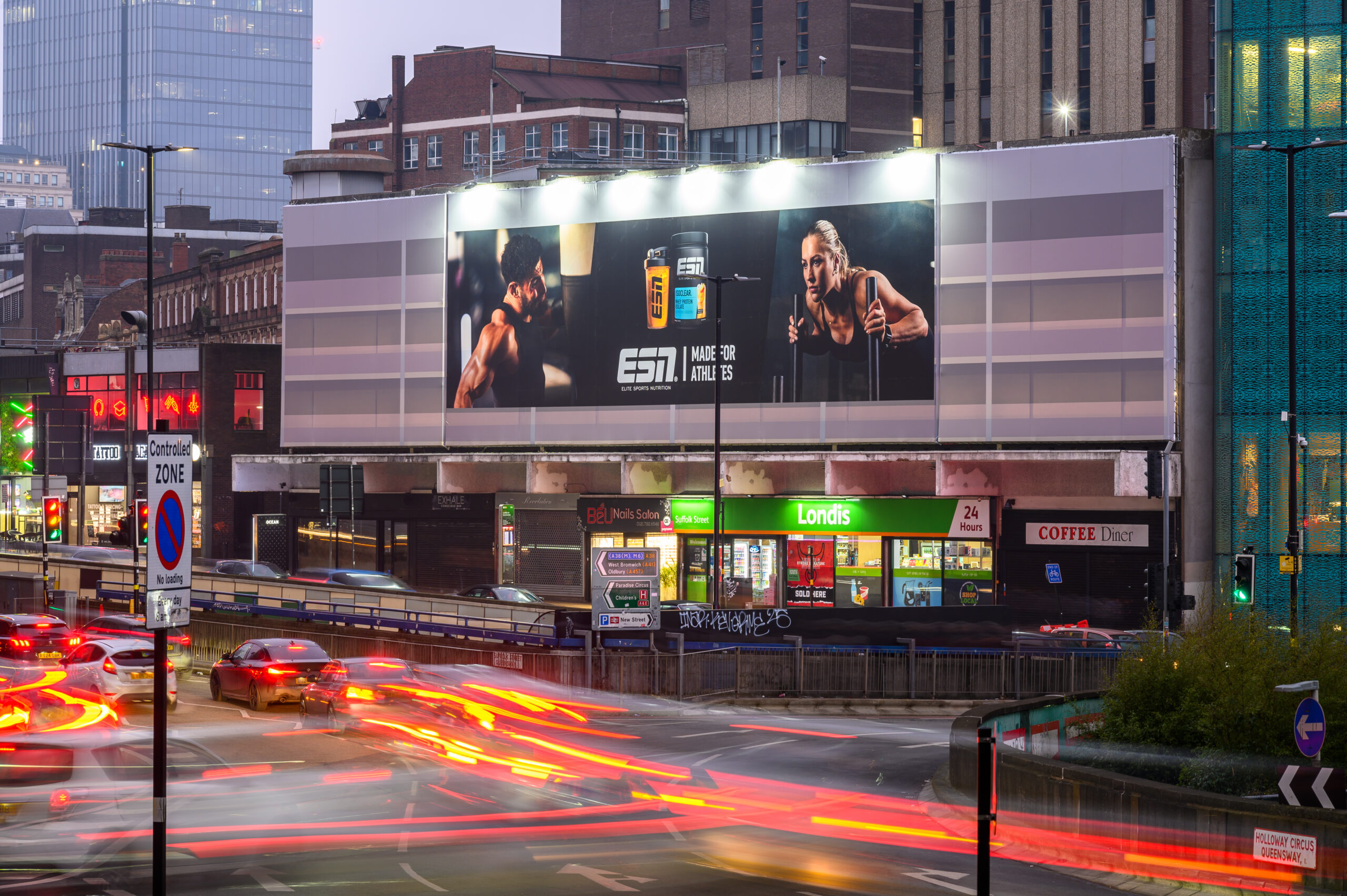
Performance-led OOH planning with Excite OOH
At Excite OOH, we plan Out of Home campaigns specifically to support performance outcomes, not just visibility.
That means:
- Geo-targeted planning aligned with performance markets
- Creative designed to drive search and recall
- Measurement frameworks that prove incremental impact
- Integration with search, paid social, and retail activity
If you’re looking to improve performance efficiency, unlock new demand, or scale beyond digital-only growth, OOH should be part of the conversation.
Performance-led OOH planning that increases demand and makes your performance channels work harder.